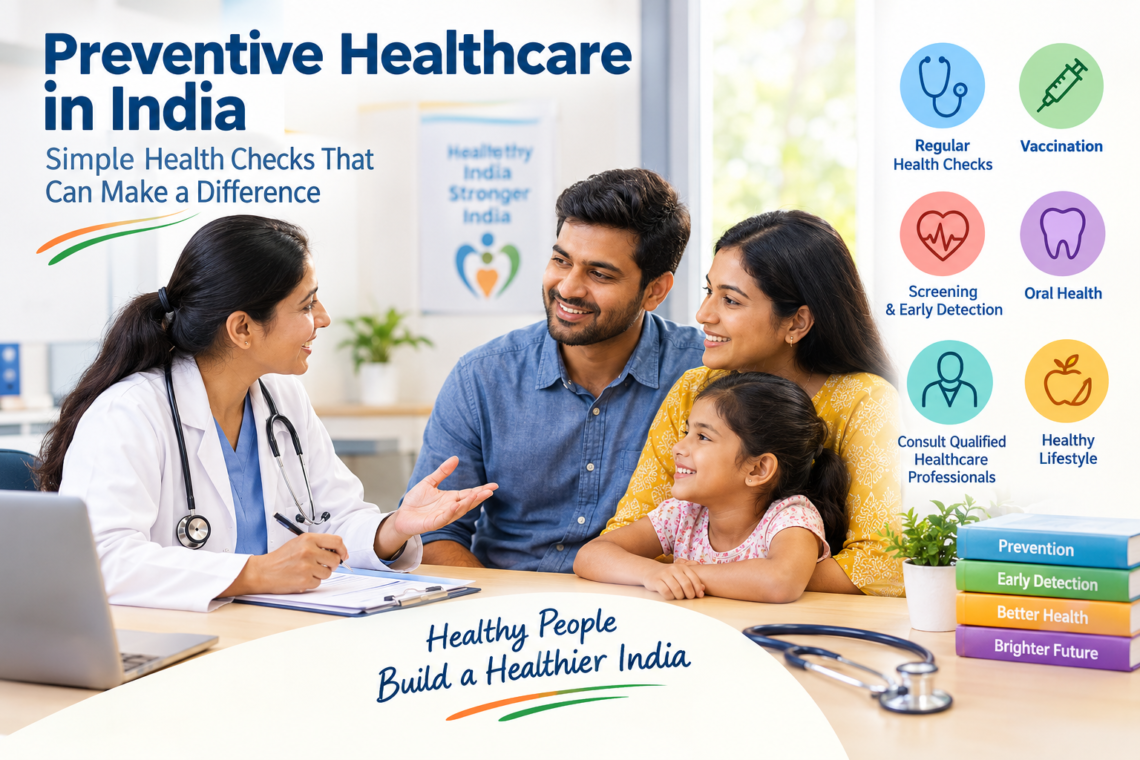
Category: Public Health & Prevention | Health Awareness | Preventive Medicine
Introduction: Prevention Is Better Than Cure
Healthcare is not only about treating a disease after symptoms appear. It is also about preventing illnesses, identifying health risks early, and making informed decisions that protect our well-being. This is the foundation of preventive healthcare—an approach that helps people maintain good health through regular check-ups, appropriate screening tests, vaccination, healthy lifestyle habits, and timely medical advice.
In India, preventive healthcare is especially important as the country faces a growing burden of non-communicable diseases, including diabetes, hypertension, heart disease, and certain cancers. Infectious diseases, nutritional deficiencies, and oral health problems also remain important public health concerns. Some of these conditions can develop silently, without obvious symptoms in their early stages.
For example, a person may have high blood pressure without experiencing headaches or dizziness. Similarly, type 2 diabetes can remain undetected for years. Regular health assessments can help identify these problems before they lead to serious complications.
The good news is that preventive healthcare does not always require expensive tests or hospital visits. Simple steps, such as checking blood pressure, staying up to date with vaccinations, maintaining oral hygiene, and consulting qualified healthcare professionals, can make a meaningful difference.
This guide explains practical, age-appropriate and risk-based preventive healthcare measures for individuals and families in India.


1. What Is Preventive Healthcare? 🔍
Preventive healthcare refers to medical services and everyday practices designed to prevent illness, detect diseases early, reduce complications, and support long-term health.
Instead of waiting until a person becomes seriously ill, preventive care focuses on understanding health risks and taking action at the right time.
There are three commonly recognised levels of prevention.
Primary prevention: Preventing disease before it starts
Primary prevention aims to reduce the chance of developing a disease. Vaccination, nutritious food, regular physical activity, avoiding tobacco, limiting alcohol, and maintaining healthy sleep habits are important examples.
For instance, vaccination helps protect people against certain infectious diseases, while regular exercise and a balanced diet can reduce the risk of several chronic conditions.
Secondary prevention: Finding disease early
Secondary prevention involves screening and other appropriate assessments that identify a disease or its early warning signs before significant symptoms develop.
Examples include blood pressure measurement, risk-appropriate diabetes screening, and recommended screening for cervical cancer.
Screening is intended for people who may not have symptoms. It is different from diagnostic testing, which investigates symptoms or an already suspected condition.
Tertiary prevention: Reducing complications
Tertiary prevention focuses on people who already have a disease. Its purpose is to prevent complications, preserve function, and improve quality of life.
For example, a person with diabetes may need regular eye examinations, kidney assessments, foot checks, and blood glucose monitoring to reduce the risk of complications.
All three levels play an important role in a comprehensive healthcare system.
2. Age-Appropriate Health Checks: What Should You Check and When? 📅
Preventive healthcare is not a one-size-fits-all process. The appropriate tests depend on age, sex, medical history, family history, lifestyle, pregnancy status, and other risk factors.
A young, healthy adult may not need the same investigations as an older person with diabetes or a strong family history of heart disease. The objective is to choose tests that provide meaningful health information rather than undergo every available test.

Children and adolescents: Birth to 18 years
Childhood is a crucial period for preventive healthcare because early intervention can protect growth, development, vision, hearing, and learning.
Regular child health visits should include monitoring height, weight, growth patterns, nutrition, and developmental milestones. Parents should maintain vaccination records and consult a paediatrician if a child experiences persistent developmental delays, unusual fatigue, or recurring health problems.
Vision and hearing assessments are particularly important when a child has difficulty reading, learning, communicating, or responding to sounds. Dental check-ups should begin early, with supervised brushing using age-appropriate fluoride toothpaste.
Adolescents may also benefit from confidential discussions with qualified healthcare professionals about nutrition, menstrual health, mental well-being, sleep, physical activity, substance use, and sexual health where relevant.
Adults aged 18–29 years
Young adulthood is an opportunity to establish healthy habits and identify risks before they become long-term problems.
A routine preventive consultation can include a review of medical and family history, blood pressure measurement, weight and height assessment, vaccination status, mental well-being, sleep, diet, physical activity, and tobacco or alcohol use.
Blood glucose and cholesterol testing may be appropriate for people with risk factors such as obesity, a strong family history of diabetes, previous gestational diabetes, high blood pressure, or other relevant medical conditions. They are not automatically necessary for every healthy young adult at every visit.
Women planning pregnancy or who are pregnant should seek appropriate preconception or antenatal care. A healthcare professional can advise on folic acid, vaccinations, medicines, nutrition, and relevant tests.
Adults aged 30–39 years
From age 30, preventive healthcare becomes especially important because several chronic diseases may develop without obvious symptoms.
India’s National Programme for Prevention and Control of Non-Communicable Diseases includes population-based screening for eligible adults aged 30 and above. Services focus on conditions such as hypertension, diabetes, and common cancers, including oral, breast, and cervical cancers.
At this stage, consider discussing the following with a healthcare professional:
- Blood pressure measurement.
- Blood glucose testing based on screening eligibility and individual risk.
- Weight, body mass index (BMI), and waist circumference where appropriate.
- Cholesterol testing according to cardiovascular risk.
- Oral health assessment and recommended cancer screening.
- Vaccination review and lifestyle counselling.
These checks can help identify health problems early, but a positive screening result does not necessarily mean that a person has a confirmed disease.
Adults aged 40–59 years
As people approach middle age, the risk of hypertension, type 2 diabetes, cardiovascular disease, and certain cancers generally increases.
A healthcare professional may recommend more structured assessments based on previous results and personal risk. These can include repeated blood pressure measurements, diabetes screening, a lipid profile, and evaluation of kidney function when clinically indicated.
Cancer screening should follow appropriate age- and risk-based recommendations. Women should discuss cervical cancer screening and breast health with a qualified clinician. People who use tobacco or alcohol heavily, or who have persistent oral lesions, deserve particular attention to oral health and cancer risk.
People with a family history of premature heart disease, diabetes, or certain cancers may need earlier or more frequent assessment than others.
Adults aged 60 years and above
Older adults may benefit from a broader assessment of physical function, medication use, mobility, nutrition, memory concerns, hearing, vision, and fall risk.
Other assessments may include blood pressure, diabetes monitoring, cardiovascular risk evaluation, and bone health assessment where indicated. Vaccination recommendations should also be reviewed.
Older adults taking multiple medicines should periodically ask their clinician or pharmacist to review whether each medicine remains necessary and whether any interactions or side effects need attention.
Important: The age ranges above are a practical guide, not a universal testing schedule. Your clinician should determine which checks you need and how frequently they should be repeated.
3. Essential Preventive Health Checks for Adults 🩺
Blood pressure measurement
High blood pressure, also called hypertension, is a major risk factor for stroke, heart disease, and kidney damage. It often produces no symptoms, which makes measurement important even when someone feels healthy.
Blood pressure can be checked at a healthcare facility or with a validated home monitor. Correct technique matters: sit quietly for several minutes, keep your back supported and feet flat on the floor, and use an appropriately sized cuff on a supported arm.
A single elevated reading does not always establish a diagnosis. A healthcare professional may recommend repeat measurements or home monitoring before deciding on treatment.
Blood glucose and diabetes screening
Diabetes occurs when blood glucose remains too high. Over time, uncontrolled diabetes can damage the eyes, kidneys, nerves, heart, and blood vessels.
Common tests include fasting plasma glucose and HbA1c. Fasting glucose measures blood sugar after a period without food, while HbA1c estimates average blood glucose over approximately two to three months.
Which test is appropriate depends on symptoms, risk factors, previous results, pregnancy status, and clinical circumstances. Abnormal results may require confirmation.
People with increased thirst, frequent urination, unexplained weight loss, or unusual fatigue should seek medical assessment rather than wait for a routine screening appointment.
Cholesterol and cardiovascular risk
A lipid profile measures cholesterol and related blood fats. It can help clinicians assess cardiovascular risk alongside blood pressure, smoking status, diabetes, age, family history, and other factors.
Not everyone needs a cholesterol test every year. Testing intervals depend on baseline results, existing medical conditions, treatment, and overall risk.
A healthy diet, regular physical activity, avoiding tobacco, and appropriate treatment of high blood pressure or cholesterol can reduce cardiovascular risk.
Kidney health
Kidney disease can progress with few early symptoms. People with diabetes, hypertension, cardiovascular disease, or other risk factors may need kidney assessments.
Depending on the situation, these may include a blood test for estimated glomerular filtration rate (eGFR) and a urine albumin-to-creatinine ratio. A clinician can determine whether these tests are appropriate and how often they should be repeated.
Vision and hearing
Vision and hearing problems can affect safety, communication, education, and quality of life. Regular assessments are particularly important for older adults, people with diabetes, and individuals who notice changes in sight or hearing.
Sudden vision loss, sudden hearing loss, or a sudden painful red eye requires urgent medical assessment rather than a routine appointment.
Mental health and emotional well-being
Preventive healthcare also includes mental health. Persistent sadness, anxiety, loss of interest, sleep disturbances, irritability, or difficulty functioning may indicate a problem that deserves professional attention.
A qualified healthcare professional can discuss symptoms, assess their impact, and recommend appropriate support or treatment. Seeking help early is a sign of taking care of your health, not a personal failure.
4. Cancer Screening: Knowing Which Tests Are Appropriate 🎗️
Cancer screening can identify certain cancers or precancerous changes before symptoms develop. However, screening is beneficial only when the appropriate test is used for the right population and follow-up care is available.
The World Health Organization emphasises that screening programmes should be evidence-based and linked to diagnostic testing and effective treatment. Screening is not equally useful for every cancer type or every individual.

Cervical cancer screening
Cervical cancer is often associated with persistent infection by high-risk types of human papillomavirus (HPV). Screening can identify cervical changes that may be treated before they develop into cancer.
Depending on local guidance, available services, age, and individual circumstances, screening may involve an HPV test, a Pap test, or visual inspection methods.
The WHO recommends HPV DNA testing as a preferred screening approach in its cervical cancer prevention guidance, with screening generally beginning at age 30 in the general population. The appropriate method and interval should be confirmed with a clinician and local programme.
HPV vaccination can prevent infections associated with many cases of cervical cancer, but it does not replace recommended screening.
Breast cancer awareness and screening
People should know what is normal for their breasts and seek medical advice for a new lump, nipple changes, unusual discharge, skin dimpling, or persistent changes in breast appearance.
Mammography may be recommended according to age, risk, local guidelines, and clinical advice. The best starting age and interval can differ between healthcare systems and individual risk groups.
A new breast symptom requires diagnostic assessment even if the person is younger than the usual screening age.
Oral cancer screening
Oral cancer is an important public health concern in India, particularly among people who use smokeless tobacco, tobacco products, or areca nut (supari).
A clinician or trained healthcare worker may examine the lips, tongue, gums, cheeks, and other parts of the mouth for suspicious changes. Persistent ulcers, red or white patches, unexplained bleeding, difficulty swallowing, or a lump in the neck should be assessed promptly.
Avoiding tobacco and areca nut is an important preventive measure. A persistent mouth lesion should not be treated with home remedies instead of obtaining a medical evaluation.
Other cancer screening
Screening for colorectal, prostate, lung, and other cancers may be appropriate for selected age groups or people with specific risk factors. The benefits and limitations vary by test.
For example, lung cancer screening with low-dose CT is intended for selected people at sufficiently high risk, not every adult. Prostate-specific antigen (PSA) testing also involves potential benefits and harms that should be discussed with a clinician.
Avoid buying broad cancer-marker blood panels or undergoing whole-body scans simply for reassurance. Unnecessary testing can produce false alarms, incidental findings, avoidable procedures, and anxiety.
5. Vaccination: Protection at Every Stage of Life 💉
Vaccination is one of the most effective tools for preventing infectious diseases and reducing the risk of severe illness. Vaccines train the immune system to recognise specific germs, helping the body respond more effectively if it encounters them later.
In India, the Universal Immunization Programme provides recommended vaccines for infants, children, and pregnant women. The national schedule includes vaccines against diseases such as tuberculosis, polio, hepatitis B, diphtheria, pertussis, tetanus, measles, and rubella, with certain vaccines provided in selected regions.

Which vaccines should you discuss with your doctor?
For children: Parents should ensure routine childhood vaccinations are completed on schedule. If a dose has been missed, a healthcare professional can advise on catch-up vaccination.
For adolescents and young adults: Review any missed childhood vaccines and discuss HPV vaccination, hepatitis B vaccination, and other vaccines relevant to age and medical history.
For adults: Depending on previous vaccination, age, occupation, medical conditions, and exposure risk, a clinician may recommend vaccines such as influenza, COVID-19, hepatitis B, tetanus-containing boosters, or others.
For older adults: Discuss influenza, COVID-19, pneumococcal, shingles, and other vaccines according to individual eligibility and current recommendations.
For pregnant women: Antenatal care includes a review of vaccination needs, including tetanus and diphtheria protection under India’s national programme. Other vaccines depend on pregnancy-specific guidance.
People travelling internationally, working in certain occupations, or living with chronic illnesses may have additional vaccination needs.
Keep a vaccination record and bring it to medical appointments. Do not assume that every adult needs every vaccine annually; recommendations vary according to the vaccine and individual circumstances.
6. Oral Health: A Small Daily Habit With Long-Term Benefits 🦷
Oral health is an essential part of preventive healthcare, yet it is often neglected until toothache or gum problems develop.
Poor oral health can cause tooth decay, gum disease, bad breath, tooth loss, and difficulty eating. Gum disease is also particularly relevant for people with diabetes, who have a higher risk of periodontal problems. Regular dental care can help prevent or manage these conditions.

Simple ways to protect your teeth and gums
Brush your teeth twice a day using fluoride toothpaste. Use a soft-bristled toothbrush and clean gently along the gumline. Clean between your teeth daily with dental floss or an appropriate interdental cleaner.
Limit frequent sugary snacks and drinks, and avoid tobacco products. Drink water regularly and maintain a balanced diet. Children should be supervised while brushing until they can clean their teeth effectively.
Arrange dental visits according to your oral health needs. Many people benefit from regular check-ups, but the appropriate interval may be shorter for those with gum disease, frequent cavities, diabetes, or other risk factors.
Do not ignore bleeding gums, persistent mouth ulcers, tooth sensitivity, loose teeth, or ongoing pain. These symptoms deserve professional assessment.
7. Routine Health Assessments: What Happens During a Check-Up?
A preventive health appointment should be personalised rather than based on a fixed package of expensive tests.
A primary care doctor may ask about your symptoms, family history, existing illnesses, medications, diet, exercise, sleep, tobacco or alcohol use, and vaccination record. Depending on your age and circumstances, the clinician may assess blood pressure, weight, height, BMI, and other relevant measurements.
The appointment may also include discussions about mental health, sexual health, reproductive health, nutrition, and cancer screening.
Laboratory tests are selected according to clinical need. These might include blood glucose, HbA1c, cholesterol, a complete blood count, kidney function tests, or other investigations when indicated.
However, a routine check-up does not automatically require every available blood test, ultrasound, X-ray, ECG, or whole-body scan. Unnecessary testing can increase costs and may lead to false-positive results or further procedures that offer little benefit.
The most useful check-up is one that identifies meaningful risks, produces understandable results, and leads to appropriate follow-up.
8. Healthy Lifestyle Habits That Strengthen Prevention 🥗
Screening can identify health problems, but everyday habits also play a major role in reducing disease risk.

Eat a balanced diet
Include vegetables, fruits, pulses, beans, whole grains, nuts, and other nutritious foods. Choose adequate protein sources and limit excessive salt, added sugar, and highly processed foods. A balanced Indian vegetarian diet can support health when planned appropriately.

Stay physically active
Most adults should aim for at least 150 minutes of moderate-intensity aerobic activity each week, alongside muscle-strengthening activities on two or more days, as tolerated. Start gradually if you are inactive or have a medical condition.

Prioritise sleep
Most adults need around seven to nine hours of sleep per night. Keep a consistent sleep schedule and seek advice if persistent insomnia, loud snoring, or daytime sleepiness affects your life.

Manage stress and emotional health
Regular relaxation, social connection, enjoyable activities, and appropriate professional support can help manage stress. Seek help if anxiety, low mood, or emotional difficulties persist.
Avoid smoking and smokeless tobacco. Avoiding alcohol is the lowest-risk option for alcohol-related harm, and people who drink should understand that reducing consumption can lower risk. Stay hydrated, maintain a healthy weight where possible, and follow appropriate road and workplace safety practices.
These habits complement medical care; they do not replace vaccination, screening, or treatment when those are needed.
9. Who Needs More Frequent or Specialised Preventive Care?
Some people need earlier assessments or closer monitoring because their health risks are higher.
People with a family history of premature cardiovascular disease, diabetes, or certain cancers should inform their clinician. People living with obesity, hypertension, diabetes, chronic kidney disease, or autoimmune conditions may need a more individualised preventive plan.
Pregnant women need antenatal assessments and appropriate maternal vaccinations. People taking long-term medicines may require monitoring for treatment effectiveness and side effects. Individuals who use tobacco, have significant occupational exposures, or have a history of certain infections may need additional evaluation.
Preventive care should also be accessible to people with disabilities and older adults who need assistance with mobility, communication, or attending appointments.
If you have no symptoms, you can still benefit from appropriate prevention. If you have symptoms, however, do not assume that a routine screening appointment is sufficient—seek an assessment directed at the problem.
10. When Should You Consult a Qualified Healthcare Professional? 👨⚕️
A registered medical practitioner or another appropriately qualified healthcare professional can help you choose suitable tests, interpret results, and develop a safe prevention plan.
Seek medical advice for persistent fatigue, unexplained weight changes, unusual bleeding, recurring digestive problems, a persistent cough, new lumps, changes in a mole, or other unexplained symptoms.
Do not delay emergency care for chest pain, severe difficulty breathing, sudden weakness on one side of the body, difficulty speaking, sudden loss of vision, or other signs of a potentially life-threatening condition.
Avoid common preventive healthcare mistakes
One common mistake is assuming that feeling healthy means every health measure is normal. Many conditions are silent in their early stages.
Another mistake is treating online information or a commercial health package as a substitute for professional advice. Tests should be selected according to their expected benefit, and abnormal results should be interpreted in context.
People should also avoid taking supplements, antibiotics, or other medicines without an appropriate indication. Supplements do not replace a balanced diet or treatment for a diagnosed deficiency, and some can interact with prescribed medicines.
Finally, do not ignore follow-up. Screening is only useful when abnormal results are reviewed, confirmed where necessary, and linked to appropriate treatment.
11. A Simple Preventive Healthcare Checklist for Indian Families
Use this checklist to prepare for your next routine health appointment.
My prevention checklist
Personal health recordsRecord current medicines, allergies, and previous diagnosesWrite down significant family medical historyBring vaccination records and previous test results
Routine assessmentsReview blood pressure and cardiovascular riskDiscuss diabetes screening and cholesterol testing if appropriateCheck whether age- and risk-based cancer screening is due
Everyday preventionBrush twice daily and maintain oral hygieneReview diet, physical activity, and sleep habitsDiscuss mental well-being and stress
Follow-upAsk when recommended tests should be repeatedConfirm who will explain abnormal resultsComplete referrals, treatment, or missed vaccinations
Reset checklistCopy checklist
This is a planning aid, not a diagnostic tool. Complete only the tests and assessments that are appropriate for you.
Conclusion: Small Steps Today, Better Health Tomorrow 🌿
Preventive healthcare is an investment in a healthier future. Regular health assessments, appropriate screening, vaccination, good oral hygiene, balanced nutrition, physical activity, adequate sleep, and timely medical advice can help individuals and families reduce avoidable health risks.
In India, access to preventive services through primary healthcare facilities and Ayushman Arogya Mandirs can make early detection and ongoing care more accessible. The national programme for non-communicable diseases also supports screening for conditions such as hypertension, diabetes, and selected common cancers among eligible adults.
The key is to make prevention personal. A young adult may need a different set of assessments from a pregnant woman, a person with diabetes, or an older adult. Rather than purchasing unnecessary tests, consult a qualified healthcare professional, understand your individual risks, and follow a practical plan.
You do not have to change everything in one day. Start by reviewing your vaccination status, checking whether your blood pressure has been assessed, arranging appropriate dental care, and booking a preventive consultation if you are due for one.
Small, consistent steps can help protect your health, support your family, and contribute to a healthier India.