Category: Metabolic Health · Obesity Research · Cardiovascular Health · Drug Repurposing

Introduction

What if a medicine originally developed to control high blood pressure could also help the body activate a special type of fat that burns energy instead of storing it? This intriguing possibility has attracted scientific attention following new research published in October 2026.
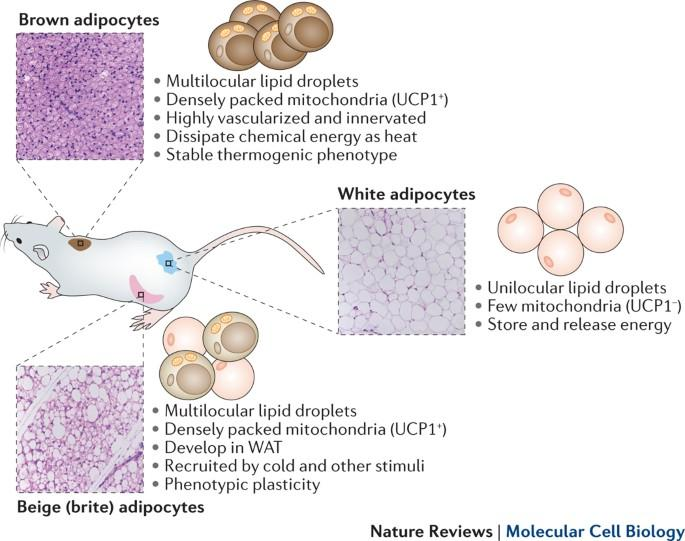
Researchers have investigated the relationship between losartan, a commonly prescribed blood pressure medication, and brown adipose tissue (BAT), commonly known as brown fat. Unlike ordinary white fat, which primarily stores excess energy, brown fat helps the body generate heat by burning calories. This process is known as thermogenesis.
The October 2026 research, published in Nature, explored how brown fat relates to metabolic and cardiovascular health and whether losartan could stimulate its activity. The findings suggest that the medication can increase brown-fat activity in laboratory experiments and mice.

The research is particularly interesting because it connects an established medication with a potential new biological target for metabolic health. However, it is important to understand that these findings do not establish losartan as a weight-loss treatment or a medication for preventing diabetes.
The central question is whether activating brown fat through an existing medicine could eventually contribute to better metabolic health in humans.
Understanding Brown Fat: The Body’s Energy-Burning Tissue
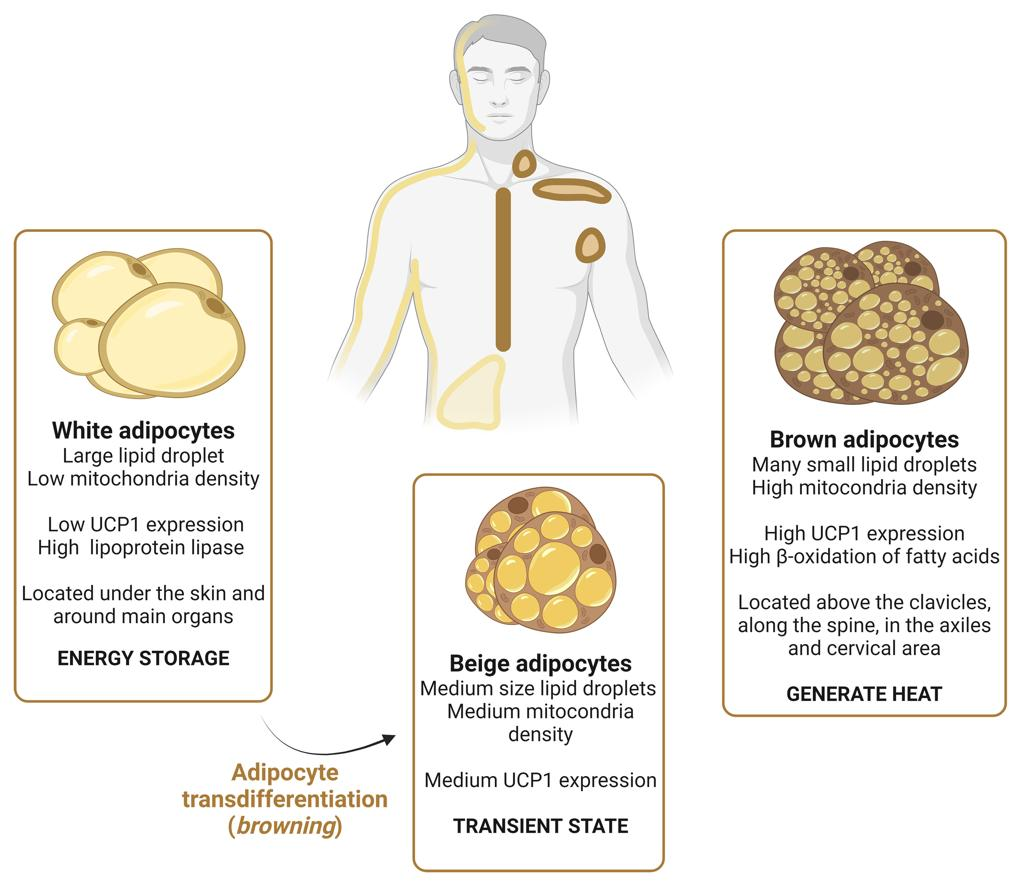
The human body contains different types of fat, and they do not all perform the same functions. White adipose tissue and brown adipose tissue are two important examples.
White fat stores energy in the form of triglycerides. It also provides insulation and protects internal organs. However, excessive accumulation of white fat, particularly around internal organs, is associated with metabolic problems such as insulin resistance, type 2 diabetes and cardiovascular disease.
Brown fat performs a different function. It contains numerous mitochondria, the structures responsible for producing energy inside cells. These mitochondria contain a specialised protein called uncoupling protein 1 (UCP1).
UCP1 allows brown-fat cells to release energy as heat rather than using all of it to generate ATP, the main energy currency of cells.
This process helps the body maintain its temperature, particularly when exposed to cold environments.
Why Is Brown Fat Considered Healthy?
Brown fat has attracted interest because of its ability to consume energy and use circulating nutrients, including glucose and fatty acids.
When activated, brown fat can increase energy expenditure and contribute to maintaining body temperature.
Researchers are investigating whether these properties could eventually help address several metabolic conditions, including obesity, insulin resistance and abnormal blood sugar regulation.
However, having more brown fat does not automatically mean someone will lose weight or become protected from metabolic diseases. Human metabolism is influenced by multiple factors, including genetics, physical activity, diet, hormones and sleep.
What Did the October 2026 Research Discover?

A research team involving scientists from Weill Cornell Medicine, Rockefeller University and Memorial Sloan Kettering Cancer Center investigated the relationship between brown fat, human health and commonly prescribed medications.
The study, titled Artificial intelligence-enabled clinical phenotyping of human brown fat, was published in Nature on October 14, 2026.
The researchers used a combination of artificial intelligence, medical imaging, clinical records and laboratory experiments to investigate brown-fat activity and its possible health effects.
One of the most interesting findings involved losartan, a medication belonging to a class of drugs called angiotensin II receptor blockers (ARBs).
Analysis of More Than 100,000 Patients
The research team analysed PET/CT scans and medical information from more than 100,000 patients.
Using artificial intelligence-based methods, researchers investigated the presence and activity of brown fat in different areas of the body.
The analysis revealed several important associations.
People with detectable brown fat showed lower prevalence of certain cardiometabolic diseases. Greater brown-fat activity was also associated with more favourable metabolic characteristics.
Researchers additionally identified an association between brown fat and lower prevalence of anxiety and depression.
Another important observation concerned patients taking angiotensin receptor blockers. These patients showed a positive association with brown-fat presence.
Losartan and valsartan were among the medications associated with brown fat.
These findings encouraged researchers to investigate whether losartan could directly influence brown-fat cells.
It is important to distinguish the human findings from the laboratory experiments: the patient analysis identified associations, while the subsequent experiments provided evidence of biological effects under controlled conditions.
Losartan Showed Potential to Activate Brown Fat
The research team conducted experiments using cultured brown-fat cells to understand how losartan might influence their activity.
They observed increased expression of UCP1, the protein responsible for brown-fat heat production.
The medication also increased the expression of other genes involved in thermogenesis, including PGC1A and CIDEA.
Researchers further observed increased oxygen consumption in treated brown-fat cells, suggesting greater metabolic activity.
These experiments indicated that losartan could influence the biological machinery responsible for brown-fat activation.
The team also investigated the molecular pathway responsible for this effect, identifying a connection with PPARγ, a protein involved in regulating gene expression and fat-cell metabolism.
The results suggested that losartan increased thermogenic activity partly through PPARγ activation.
This mechanism appeared to be different from the medication’s traditional blood-pressure-lowering pathway.
How Does Losartan Work?
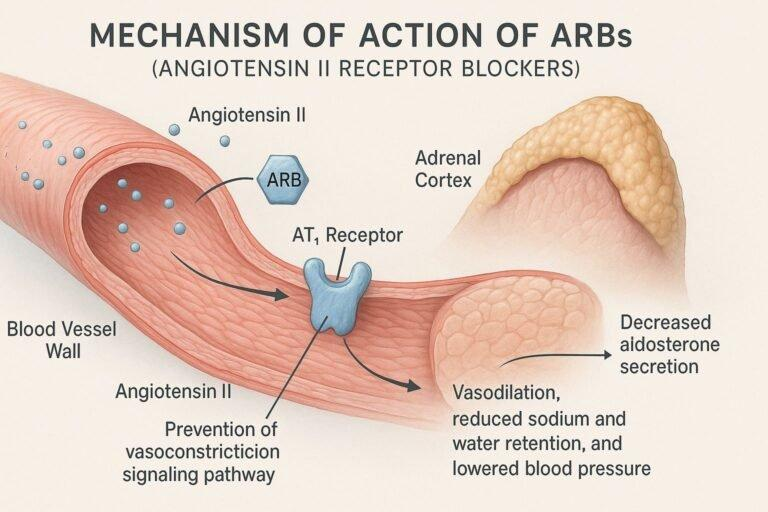
Losartan is a prescription medication commonly used to treat high blood pressure. It belongs to the angiotensin II receptor blocker family.
To understand its potential relationship with brown fat, it helps to understand the renin-angiotensin system.
This system plays an important role in regulating blood pressure, fluid balance and kidney function.
Angiotensin II is a hormone that binds to specific receptors, particularly the angiotensin II type 1 receptor (AT1R). Activation of this receptor can narrow blood vessels and increase blood pressure.
Losartan blocks AT1R, helping blood vessels relax and reducing blood pressure.
However, the October 2026 research identified another possible biological effect.
The Possible Connection Between Losartan and PPARγ
PPARγ is a nuclear receptor that regulates genes involved in fat-cell development, lipid storage and metabolism.
It is also involved in regulating the activity of adipocytes, the cells that make up adipose tissue.
Researchers discovered that losartan could stimulate PPARγ-related activity in experimental systems.
When PPARγ activity was blocked using a laboratory inhibitor, the increase in UCP1 expression caused by losartan was significantly reduced.
This suggested that PPARγ contributes to the drug’s brown-fat effects.
Interestingly, the researchers also investigated two losartan metabolites, EXP3174 and EXP3179.
They found that EXP3179, rather than the better-known active blood-pressure-lowering metabolite EXP3174, showed activity in the PPARγ experiments.
This observation could help researchers understand how losartan influences brown-fat biology beyond its conventional effect on blood pressure.
However, the precise contribution of these pathways in living humans remains uncertain.
What Happened When Researchers Tested Losartan in Mice?

After studying cultured cells, researchers investigated whether losartan could produce similar effects in living animals.
They treated mice with losartan and monitored several indicators of metabolic activity.
The results provided additional evidence that the medication could stimulate brown-fat function.
Increased Energy Expenditure
Losartan-treated mice demonstrated increased energy expenditure compared with untreated control animals.
Energy expenditure refers to the amount of energy the body uses to maintain essential functions, perform physical activities and generate heat.
The researchers also observed increases in oxygen consumption and carbon dioxide production.
These measurements provided evidence of increased metabolic activity.
Increased Thermogenic Activity
The researchers observed increased expression of UCP1 and other thermogenesis-related genes in brown-fat tissue.
They also used thermal imaging to examine the response of brown fat to a thermogenic stimulus.
The losartan-treated mice demonstrated greater brown-fat thermogenic responses.
This suggested that the medication could enhance the ability of brown fat to generate heat.
No Significant Reduction in Body Weight
One particularly important finding deserves attention.
Despite increased energy expenditure, the researchers did not observe a significant reduction in body weight or fat mass in the treated mice.
This means the study does not demonstrate that losartan causes weight loss.
The researchers suggested that increased food intake could partly explain why the additional energy expenditure did not translate into lower body weight.
This distinction is important because increased brown-fat activity and reduced body weight are not necessarily the same outcome.
The animal experiments support a possible metabolic mechanism, but they cannot establish whether the medication would produce similar effects in humans.
Could Activating Brown Fat Improve Metabolic Health?
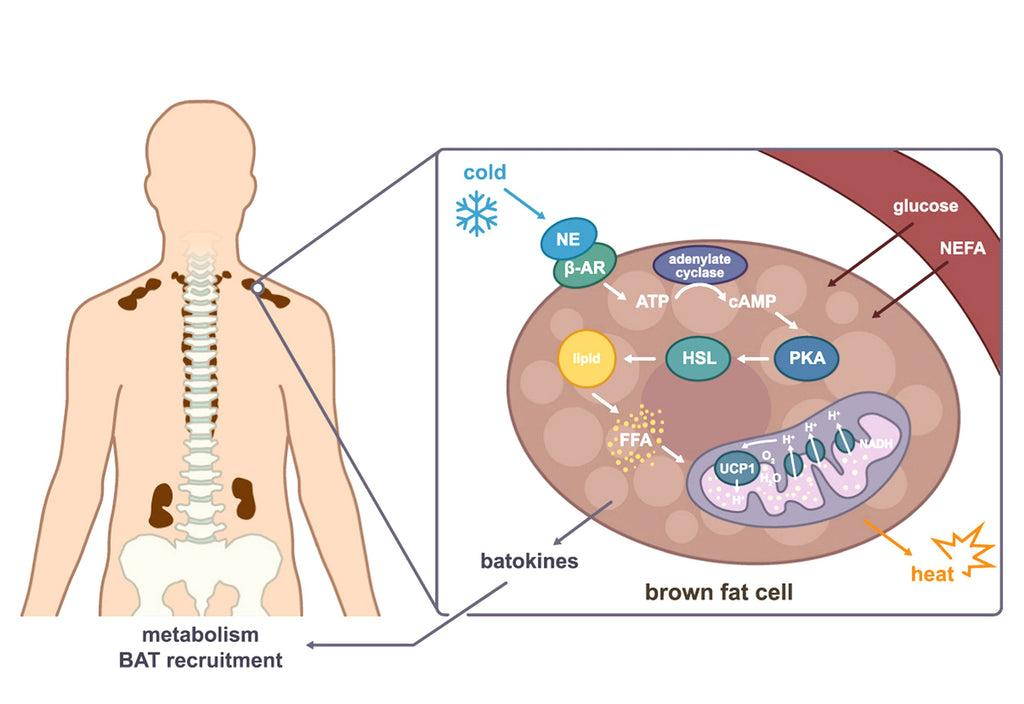
Brown-fat activation is becoming an interesting research area because metabolic diseases affect millions of people worldwide.
Researchers are investigating whether improving brown-fat function could contribute to better regulation of glucose, fatty acids and energy expenditure.
Potential Relationship With Blood Sugar Regulation
Brown fat uses glucose and fatty acids to generate heat.
This means active brown-fat tissue can contribute to removing glucose and fatty acids from circulation.
Researchers are interested in whether this activity could eventually support improved glucose regulation.
However, it would be premature to conclude that losartan can prevent or treat type 2 diabetes through brown-fat activation.
The October 2026 research did not establish this benefit in a clinical trial.
Possible Implications for Obesity Research
Obesity is a complex metabolic condition involving energy intake, energy expenditure, hormonal regulation, genetics and environmental influences.
Because brown fat consumes energy, scientists are investigating whether increasing its activity could become one component of future obesity treatments.
Losartan’s experimental effects are interesting because it is already an established medication.
Nevertheless, the mouse experiments did not demonstrate significant weight reduction.
Future human studies would need to determine whether brown-fat activation produces meaningful changes in body composition, metabolic markers or long-term health.
Cardiovascular Health
The relationship between brown fat and cardiovascular health was another important part of the research.
The human observational analysis found that individuals with detectable brown fat had a lower prevalence of several cardiometabolic conditions.
This finding is consistent with growing scientific interest in brown fat as a possible indicator of metabolic health.
However, it does not prove that brown fat directly prevents cardiovascular disease.
Other factors may influence both brown-fat activity and cardiovascular health.
Losartan already has an established role in managing hypertension. Whether its newly investigated brown-fat effects provide additional cardiovascular benefits remains to be tested.
Why Is This Research Important for Drug Repurposing?
Drug repurposing involves investigating whether an existing medication could be useful for a different medical purpose.
It can be an attractive research strategy because scientists already have information about a medicine’s pharmacology, manufacturing and established clinical uses.
Losartan provides an interesting example.
It was developed to manage high blood pressure, but laboratory findings suggest that it may also influence brown-fat metabolism.
The possibility of stimulating brown fat through a medication could open new research directions.
For example, scientists may investigate whether the brown-fat effects of losartan can be separated from its blood-pressure-lowering effects.
This could be particularly relevant for people with normal blood pressure who might eventually benefit from therapies targeting brown fat.
The research also raises the possibility of developing new medicines that activate PPARγ-related thermogenic pathways without producing unwanted cardiovascular effects.
However, drug repurposing still requires extensive clinical testing. An established safety profile for one medical purpose does not automatically establish safety and effectiveness for another.
Important Limitations of the October 2026 Study
Although the findings are promising, several limitations must be considered before interpreting losartan as a potential metabolic-health treatment.
The human evidence was observational. The analysis of more than 100,000 patients identified relationships between brown fat, medication use and health outcomes. It cannot establish that losartan caused increased brown-fat activity or that brown fat directly prevented disease.
Laboratory findings are not clinical proof. Experiments involving cultured cells demonstrated changes in thermogenic genes and cellular respiration. These results do not establish that the same effects occur at clinically achievable drug concentrations in humans.
Animal experiments cannot fully predict human outcomes. The researchers tested losartan in mice, including experiments involving cold exposure. Animal metabolism and brown-fat physiology differ from those of humans. The animal experiments also used male mice, limiting the generalisability of those findings.
The patient population requires consideration. The human imaging data came from a cancer-centre-based cohort. Cancer types, cancer treatments and other clinical factors could influence brown-fat measurements and associated health outcomes.
Long-term benefits remain unknown. The research did not establish whether losartan-induced brown-fat activation could reduce obesity, prevent diabetes, improve cardiovascular outcomes or increase healthy lifespan.
These limitations highlight why prospective human clinical trials are necessary before losartan can be considered a treatment for metabolic conditions through brown-fat activation.
Can People Take Losartan to Activate Brown Fat?

No. People should not start taking losartan specifically to activate brown fat, burn calories or lose weight based on this research.
Losartan is a prescription medication used for specific cardiovascular and kidney-related indications. It can cause side effects, including dizziness, low blood pressure and increased potassium levels. It can also affect kidney function in some patients.
The medication carries important pregnancy-related risks and should not be used during pregnancy.
People already prescribed losartan should continue following their healthcare professional’s instructions. They should not change their dose or stop treatment because of experimental findings.
Future clinical trials must determine whether brown-fat activation can be achieved safely and whether it provides meaningful benefits beyond losartan’s established medical uses.
Natural Ways to Support Metabolic Health and Brown-Fat Activity
Although losartan is not an established brown-fat treatment, researchers have identified several biological factors that influence brown-fat activity.
Some lifestyle approaches are worth investigating, although they should not be presented as guaranteed methods of increasing brown fat.
Regular Physical Activity
Physical activity supports metabolic health, cardiovascular function and insulin sensitivity.
Walking, cycling, swimming and resistance exercises can help improve overall energy metabolism.
Exercise also influences several hormonal and metabolic pathways that researchers are investigating in relation to brown and beige fat.
Avoiding Excessive Sedentary Behaviour
Prolonged sitting can negatively affect metabolic health.
Taking regular movement breaks, walking after meals and maintaining an active daily routine can support glucose regulation and cardiovascular fitness.
Maintaining a Balanced Diet
A balanced diet containing vegetables, fruits, legumes, whole grains, nuts and adequate protein supports general metabolic health.
Indian foods such as dal, chickpeas, rajma, green vegetables, seasonal fruits and whole grains can contribute to a nutritious eating pattern.
However, no particular food has been established as a reliable substitute for a clinically tested brown-fat treatment.
Understanding Temperature and Cold Exposure
Cold exposure is one of the best-established physiological stimuli for brown-fat thermogenesis.
When the body experiences cold, the nervous system activates pathways that stimulate brown fat to generate heat.
However, deliberately exposing yourself to extreme cold is unnecessary and can be dangerous, particularly for people with cardiovascular conditions.
Normal comfortable environmental conditions and appropriate clothing should take priority over unproven cold-exposure routines.
What Should Future Research Investigate?
The October 2026 findings open several important research questions.
First, scientists need controlled human clinical trials to determine whether losartan increases brown-fat activity in people.
Second, researchers need to establish the appropriate drug exposure and whether the effects occur at standard prescribed doses.
Third, studies should examine whether increased brown-fat activity produces measurable improvements in glucose regulation, insulin sensitivity, lipid metabolism and cardiovascular health.
Fourth, researchers should investigate whether the effects of losartan can be separated from its blood-pressure-lowering activity.
Finally, scientists need to understand whether other medications or newly developed compounds could stimulate brown fat without causing unwanted effects.
These investigations could help establish whether brown fat is a useful therapeutic target for metabolic diseases.
Conclusion: A Promising Discovery, but Clinical Evidence Is Still Needed
The October 2026 research offers an interesting new perspective on the relationship between brown fat, metabolic health and existing medications.
By combining artificial intelligence-based analysis of more than 100,000 patients with laboratory experiments and mouse studies, researchers identified losartan as a potential activator of brown adipose tissue.
The findings suggest that losartan can increase UCP1 expression, stimulate thermogenic activity and enhance energy expenditure in experimental models. The identification of PPARγ-related mechanisms provides another important direction for future metabolic research.
However, increased energy expenditure did not produce significant weight loss in the treated mice, and the human observations do not establish a causal treatment effect.
The next major step is conducting carefully designed clinical trials to determine whether these findings translate into meaningful benefits for people.
For now, losartan should be understood as an established blood pressure medication with an interesting experimental connection to brown-fat biology, not as a proven weight-loss or metabolic-health drug.
The discovery demonstrates how research into existing medicines can reveal unexpected biological effects and potentially open new directions in metabolic medicine.