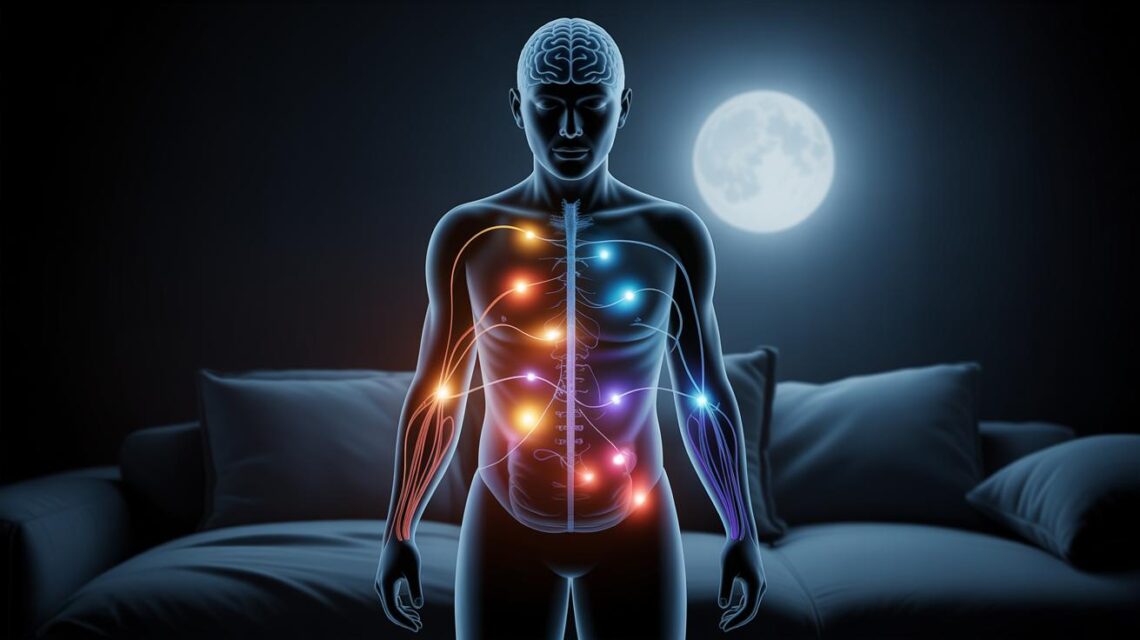
Sleep is one of the most important foundations of good health. It allows your body to recover, your brain to process information, and your immune system to function properly. However, millions of people experience poor sleep because of stress, busy schedules, excessive screen time, unhealthy eating habits, and irregular sleeping patterns.
Poor sleep is not simply about feeling tired the next morning. When you regularly sleep too little or experience disrupted sleep, it can affect almost every system in your body, including your brain, heart, metabolism, immune system, and mental health.
Let’s explore how insufficient sleep affects your physical and mental well-being and what you can do to improve your sleep naturally.
🧠 How Does Poor Sleep Affect Your Brain?
Your brain remains active while you sleep. During this time, it processes memories, organizes information, regulates emotions, and supports important neurological functions.
When you do not get enough quality sleep, these processes may become less effective.
1. Reduced Memory and Concentration
One of the first effects of poor sleep is difficulty concentrating. You may struggle to remember information, complete everyday tasks, or pay attention during conversations.
Sleep plays an important role in memory consolidation, the process through which the brain strengthens and stores newly learned information.
Without sufficient sleep, students may find it harder to understand lessons, remember study materials, and perform well in examinations.
2. Increased Stress and Anxiety
Sleep and emotional health are closely connected. Poor sleep can make it more difficult for the brain to regulate emotions and respond appropriately to stressful situations.
People experiencing sleep deprivation may become more irritated, emotionally sensitive, anxious, or overwhelmed by everyday problems.
It can also create a cycle in which stress makes sleeping difficult, while insufficient sleep increases stress.
3. Reduced Decision-Making Ability
Sleep deprivation can affect the brain regions responsible for planning, judgment, attention, and decision-making.
As a result, you may make careless mistakes, struggle to solve problems, or find it difficult to control impulsive behaviour.
This can affect academic performance, workplace productivity, and everyday activities such as driving.
4. Changes in Brain Health
During sleep, the brain performs several maintenance activities, including clearing metabolic waste products and supporting the health of nerve cells.
Researchers continue investigating how disrupted sleep relates to long-term neurological health. Chronic sleep problems have been associated with an increased risk of cognitive decline, although these associations do not mean that poor sleep directly causes dementia in every individual.
❤️ How Does Poor Sleep Affect Your Body?

Sleep is essential for physical recovery. When you consistently miss sufficient sleep, several body systems may be affected.
5. Increased Risk of Heart Problems
Your heart and blood vessels benefit from healthy sleep patterns. During normal sleep, blood pressure generally decreases, allowing the cardiovascular system to rest.
Insufficient or irregular sleep can interfere with blood pressure regulation and other cardiovascular processes.
Long-term poor sleep has been associated with an increased risk of:
- High blood pressure.
- Heart disease.
- Stroke.
- Cardiovascular inflammation.
Maintaining a consistent sleeping schedule can support cardiovascular health.
6. Weakening of the Immune System
Your immune system relies on adequate sleep to maintain its normal protective functions.
During sleep, the body produces and regulates various immune signalling molecules that help coordinate its response to infections.
When you regularly sleep poorly, your immune defences may become less effective.
This may increase your susceptibility to common infections and make recovery more difficult.
7. Weight Gain and Increased Hunger
Did you know that poor sleep can influence your appetite?
Sleep deprivation affects hormones involved in hunger and fullness, including ghrelin and leptin. It can also influence the body’s response to food and energy regulation.
People who regularly sleep too little may experience:
- Increased hunger.
- Stronger cravings for sugary foods.
- More frequent snacking.
- Reduced motivation for physical activity.
- Greater difficulty maintaining a healthy weight.
This is one reason why healthy sleep habits are important for weight management.
8. Increased Blood Sugar and Diabetes Risk
Sleep plays an important role in regulating glucose metabolism and insulin sensitivity.
When sleep is consistently insufficient, the body’s ability to respond to insulin may become impaired.
Over time, chronic sleep problems are associated with an increased risk of developing type 2 diabetes.
Healthy eating and regular exercise are important, but sleep should also be considered part of a balanced diabetes-prevention strategy.
9. Poor Skin Health and Early Signs of Aging
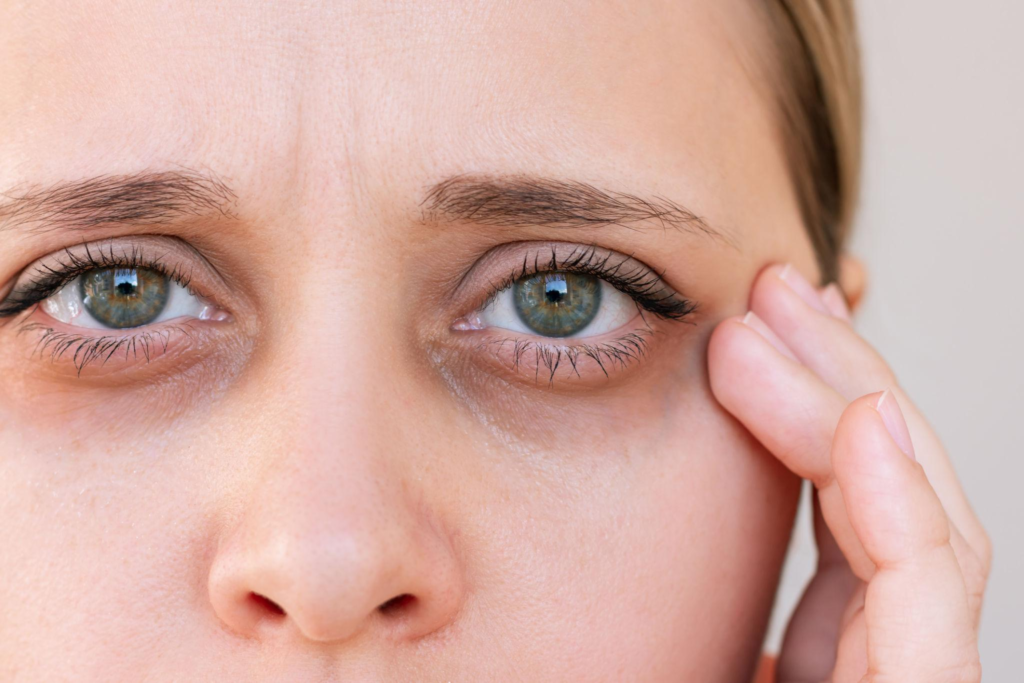
Your skin also benefits from adequate sleep.
During sleep, the body supports tissue repair and other processes involved in maintaining healthy skin.
Poor sleep may contribute to:
- Dark circles and tired-looking eyes.
- Dull-looking skin.
- Increased skin dryness.
- Greater visibility of fine lines.
- Changes in skin barrier function.
Sleep alone cannot prevent skin aging, but maintaining healthy sleeping habits can support overall skin health.
10. Muscle Recovery and Physical Performance
Sleep is particularly important for people who exercise, play sports, or perform physically demanding work.
During sleep, the body supports muscle repair, tissue recovery, and hormonal regulation.
Insufficient sleep can lead to muscle fatigue, reduced physical performance, slower recovery, and decreased exercise motivation.
Getting enough sleep helps your body recover after physical activity.
📊 What Happens to Your Body When You Don’t Sleep Enough?
The effects of sleep deprivation can develop over different periods. The following table provides a general overview.
| Sleep deprivation period | Possible effects |
|---|---|
| One night | Fatigue, irritability, poor concentration |
| 2–3 nights | Reduced attention, memory problems, increased hunger |
| Several days | Greater emotional instability, slower reactions, impaired performance |
| Weeks or months | Increased risk of metabolic, cardiovascular, and mental health problems when sleep remains insufficient |
These effects vary between individuals depending on age, health, sleep quality, and the degree of sleep deprivation.
🌙 How Much Sleep Does Your Body Actually Need?
Sleep requirements change with age. Most adults need at least seven hours of sleep each night, while children and teenagers generally need more.
| Age group | Recommended sleep |
|---|---|
| Newborns (0–3 months) | 14–17 hours |
| Infants (4–12 months) | 12–16 hours |
| Toddlers (1–2 years) | 11–14 hours |
| Preschool children (3–5 years) | 10–13 hours |
| School-age children (6–12 years) | 9–12 hours |
| Teenagers (13–17 years) | 8–10 hours |
| Adults (18–60 years) | 7 or more hours |
| Adults (61–64 years) | 7–9 hours |
| Adults (65+ years) | 7–8 hours |
Source: US Centers for Disease Control and Prevention (CDC) and American Academy of Sleep Medicine sleep recommendations.
🥗 Natural Ways to Improve Your Sleep Quality

Improving sleep does not always require complicated changes. Simple lifestyle habits can make a meaningful difference.
1. Maintain a Consistent Sleeping Schedule
Try to go to bed and wake up at approximately the same time every day, including weekends.
A regular schedule helps regulate your body’s internal biological clock, also known as the circadian rhythm.
2. Reduce Screen Time Before Bed
Mobile phones, computers, and television can interfere with your bedtime routine.
Bright light, particularly in the evening, can affect melatonin production and make it harder to feel sleepy.
Try putting your phone away at least 30–60 minutes before bedtime.
3. Eat a Balanced Diet
Your daily diet can influence your overall sleep quality.
Include nutritious foods such as:
- Bananas.
- Almonds and walnuts.
- Milk or curd.
- Oats.
- Green leafy vegetables.
- Whole grains.
- Pulses and lentils.
These foods provide nutrients involved in normal nervous system function. However, no individual food guarantees better sleep.
Avoid heavy meals close to bedtime if they cause discomfort or disturb your sleep.
4. Exercise Regularly
Regular physical activity can improve sleep quality and support mental health.
Walking, cycling, yoga, and moderate exercise are good options.
Try to avoid intense exercise immediately before bedtime if you find that it makes you more alert.
5. Create a Comfortable Sleeping Environment
Your bedroom should be quiet, dark, comfortable, and reasonably cool.
Use comfortable bedding, reduce unnecessary noise, and avoid bright lights before sleeping.
6. Limit Caffeine in the Evening
Tea, coffee, energy drinks, and some soft drinks contain caffeine, which can interfere with sleep.
Avoid consuming caffeine late in the day, particularly if you are sensitive to its effects.
7. Practise Relaxation Techniques
Stress can make it difficult to fall asleep.
Consider practising:
- Deep breathing.
- Gentle yoga.
- Meditation.
- Reading a book.
- Relaxing music.
- Journaling before bedtime.
These activities can help you establish a calming bedtime routine.
⚠️ Warning Signs That You May Not Be Getting Enough Sleep
Your body often provides signals when your sleep quality is poor.
Pay attention if you regularly experience:
- Feeling tired immediately after waking up.
- Frequent headaches.
- Difficulty concentrating.
- Increased irritability.
- Daytime sleepiness.
- Forgetfulness.
- Reduced physical energy.
- Difficulty controlling hunger.
- Frequent nighttime awakenings.
If these symptoms continue despite allowing enough time for sleep, consider speaking with a healthcare professional.
Persistent insomnia, loud snoring, gasping during sleep, or excessive daytime sleepiness may indicate an underlying sleep disorder, such as sleep apnoea.
🔬 The Connection Between Sleep and Long-Term Health
Sleep should not be considered a luxury. It is an essential biological requirement that supports nearly every major function of the human body.
Research has increasingly highlighted connections between sleep quality and cardiovascular health, metabolic regulation, immune function, emotional well-being, and cognitive performance.
However, it is important to distinguish between association and causation. Poor sleep is associated with many chronic health conditions, but other factors, including genetics, lifestyle, stress, and existing illnesses, can also contribute.
Improving sleep is therefore one important part of maintaining long-term health, rather than a replacement for medical care, exercise, or balanced nutrition.
💚 Conclusion: Why Is Good Sleep Essential for a Healthy Life?
Poor sleep can affect much more than your energy levels. It can influence your memory, concentration, emotional stability, heart health, immune system, metabolism, and physical recovery.
Consistently getting enough quality sleep helps your body repair itself and allows your brain to perform essential functions.
You do not need an expensive wellness routine to begin improving your sleep. Start with simple changes: maintain a regular bedtime, reduce nighttime screen exposure, eat balanced meals, exercise regularly, and create a relaxing sleeping environment.
Remember: Healthy sleep is not wasted time. It is an investment in your physical health, mental well-being, and quality of life. 😴