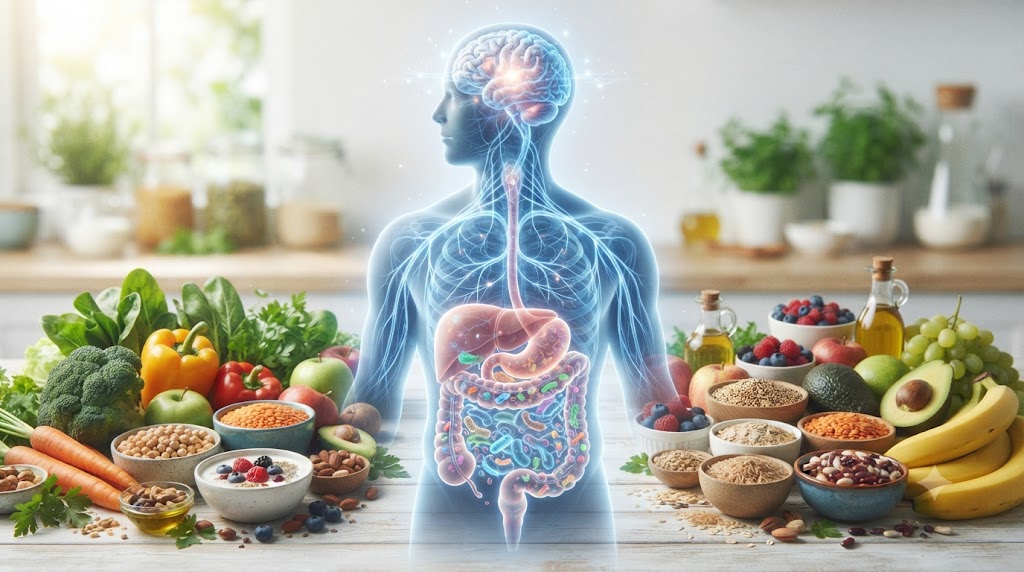
For many years, conversations about health treated the digestive system and the brain as largely separate. The gut was associated with digestion, nutrient absorption, and bowel movements, while the brain was associated with emotions, memory, concentration, and mental health.
Modern research has revealed a much more complicated relationship.
The digestive tract and brain communicate continuously through a network of biological pathways often described as the gut-brain axis. Signals can travel through nerves, hormones, immune pathways, and chemical messengers. At the same time, the trillions of microorganisms living in the digestive tract—the gut microbiota—can influence several processes relevant to overall health.
This emerging field has generated enormous interest because researchers are investigating how gut health may relate to stress, mood, sleep, cognition, and mental well-being.
However, it is important to keep the science in perspective. Gut health is not a simple cure for depression or anxiety, and researchers are still working to understand exactly how different microorganisms, diets, medications, and lifestyle factors interact with the brain.
What is increasingly clear is that the gut and brain do not function in isolation.


What Is the Gut-Brain Axis? 🔄
The gut-brain axis refers to the two-way communication network connecting the gastrointestinal system and the central nervous system.
One of the most important communication pathways involves the vagus nerve, a major nerve connecting the brain with organs throughout the body, including parts of the digestive tract.
But the relationship goes far beyond the vagus nerve.
The gut and brain also communicate through immune signals, hormones, metabolic products, and neurotransmitter-related pathways.
The gut microbiota adds another layer to this system. Microorganisms living in the digestive tract interact with food components and produce a variety of metabolites. Some of these compounds can influence immune activity and other physiological processes.
Researchers are studying whether changes in the gut microbiome may contribute to differences in mood and behavior and whether modifying the microbiome could eventually become part of certain mental-health interventions.
The science is promising, but many questions remain unanswered.
What Exactly Is the Gut Microbiome? 🦠
The gut microbiome is the community of microorganisms living in the gastrointestinal tract.
It includes bacteria as well as other microorganisms. Different people have different microbial communities, and the composition can change over time.
Factors that can influence the gut microbiome include:
- Diet
- Physical activity
- Age
- Sleep
- Stress
- Medications
- Antibiotic exposure
- Environment
- Overall health
Rather than thinking of the microbiome as simply “good bacteria” versus “bad bacteria,” researchers increasingly view it as a complex ecosystem.
A healthy gut is not necessarily defined by having a particular bacterial species. Instead, researchers are interested in characteristics such as microbial diversity, stability, metabolic activity, and interactions with the host.
This complexity is one reason scientists are cautious about making broad claims about probiotics, supplements, or specific foods.
How Can the Gut Influence the Brain?
Several mechanisms are being investigated.
1. The Vagus Nerve
The vagus nerve provides a major communication route between the digestive system and brain.
Signals originating in the gut can influence brain activity, while signals from the brain can influence digestion.
This helps explain why emotional experiences can produce physical digestive symptoms.
Think about what happens when you are extremely nervous.
You might experience:
- A “butterflies in the stomach” sensation
- Changes in appetite
- Nausea
- Abdominal discomfort
- Changes in bowel habits
These reactions demonstrate that communication between the brain and digestive system works in both directions.
Stress can influence the gut, while signals from the gut can influence the brain.
2. The Immune System 🛡️
The gut is closely connected to the body’s immune system.
The intestinal environment interacts with immune cells and microbial communities, helping regulate inflammatory and immune responses.
Researchers are investigating how chronic inflammation and immune signaling may be related to neurological and psychological health.
This does not mean that every digestive problem is caused by inflammation or that reducing inflammation automatically treats mental illness.
Instead, it highlights the biological complexity linking the gut, immune system, and brain.
3. Microbial Metabolites
Gut microorganisms produce numerous compounds when they interact with food and other substances in the digestive tract.
Among the most studied are short-chain fatty acids, which are produced when certain gut microbes ferment dietary fiber.
These compounds can influence the intestinal environment and have effects on immune and metabolic processes.
Researchers are examining whether microbial metabolites may also influence brain function.
This is one of the most fascinating areas of gut-brain research, but much of the evidence is still developing, especially when it comes to determining how these mechanisms translate into meaningful changes in human mental health.


The Gut and Stress 😰
Stress is one of the clearest examples of the two-way gut-brain relationship.
When you experience stress, the body’s stress-response systems become activated. Hormones and nervous-system signals can influence digestion, appetite, intestinal movement, and gut sensitivity.
This is why stressful periods can sometimes be accompanied by digestive symptoms.
At the same time, ongoing gastrointestinal discomfort can itself become a source of psychological stress.
Someone experiencing persistent bloating, abdominal discomfort, diarrhea, constipation, or nausea may begin worrying about symptoms, avoiding certain foods, or changing daily activities.
This can create a frustrating cycle:
Stress → digestive symptoms → worry → more stress → worsening symptoms.
Breaking this cycle may require attention to both physical and psychological factors.
That might include dietary improvements, regular physical activity, adequate sleep, stress-management techniques, and medical evaluation when symptoms persist.
Gut Health and Mood
Scientists have become increasingly interested in whether the gut microbiome is associated with mood disorders.
Some observational studies have found differences in gut microbial composition between people with certain psychiatric conditions and people without those conditions.
However, an important distinction must be made:
An association does not prove causation.
If two groups have different microbiomes, that does not necessarily mean microbiome changes caused differences in mental health.
The relationship could work in the opposite direction, or both could be influenced by other factors.
For example, stress can affect diet, sleep, exercise, medication use, and gastrointestinal function. These factors can also influence the microbiome.
Researchers therefore need carefully controlled clinical trials to determine whether changing the microbiome can reliably improve mental-health outcomes.
Can Gut Health Affect Anxiety? 🧠
Anxiety is a complex condition involving genetics, brain chemistry, environment, life experiences, stress systems, and many other factors.
Researchers are investigating whether the gut microbiome may be one additional factor influencing anxiety-related pathways.
Animal research has produced intriguing findings, while human research is growing but remains less conclusive.
This distinction matters.
A study showing that a particular probiotic altered behavior in laboratory animals does not automatically mean that the same probiotic will treat anxiety in humans.
People should therefore be cautious about products that promise to “heal anxiety through the gut.”
If someone has persistent anxiety that affects daily life, professional mental-health support remains important.
Nutrition and gut health can be part of an overall wellness strategy, but they should not replace evidence-based treatment.
The Role of Diet in the Gut-Brain Connection 🥗
Food is one of the major factors influencing the gut microbiome.
A diverse diet provides different types of nutrients and fibers that can support a diverse microbial ecosystem.
Many plant foods contain dietary fiber that can be fermented by gut microorganisms.
Examples include:
Vegetables: spinach, broccoli, carrots, cabbage, onions, garlic, and many others.
Fruits: berries, apples, bananas, oranges, pears, and seasonal fruits.
Whole grains: oats, brown rice, barley, and whole-grain breads.
Legumes: lentils, chickpeas, beans, and peas.
Nuts and seeds: almonds, walnuts, chia seeds, flaxseeds, and others.
Rather than searching for one “superfood,” a better strategy is dietary diversity.
Different plant foods provide different fibers and phytochemicals, potentially supporting different microbial communities.
Why Fiber Matters 🌾
Fiber is particularly important because certain gut microorganisms can ferment it and produce metabolites such as short-chain fatty acids.
Many people do not consume enough dietary fiber.
Increasing fiber gradually through vegetables, fruits, legumes, whole grains, nuts, and seeds can support digestive health.
However, suddenly consuming very large amounts of fiber can cause temporary bloating or gas.
Increase fiber gradually and drink sufficient fluids.
People with specific digestive disorders may require individualized dietary advice, because some high-fiber foods can aggravate symptoms in certain circumstances.
Fermented Foods and the Microbiome 🥛
Fermented foods have attracted significant interest in microbiome research.
Examples include yogurt containing live cultures, kefir, kimchi, sauerkraut, and certain other traditionally fermented foods.
These foods can contain microorganisms or microbial metabolites, depending on how they are produced and stored.
Some research suggests fermented foods may influence aspects of the gut microbiome and immune function.
But again, there is no universal fermented food that everyone needs to consume.
If you tolerate fermented foods well, including a variety of nutritious options can be part of a balanced diet.
Pay attention to added sugar and sodium in commercially prepared products.
Probiotics: Are They Worth It?
Probiotics are live microorganisms that, when consumed in adequate amounts, may provide health benefits in particular circumstances.
However, probiotic effects are often strain-specific.
That means one probiotic product cannot necessarily be assumed to have the same effect as another.
Research into probiotics and mental health has produced interesting results, but the evidence is not strong enough to conclude that probiotics universally prevent or treat depression, anxiety, or other psychiatric conditions.
Before taking a probiotic supplement, consider whether there is a specific reason to use it and discuss it with a qualified healthcare professional if you have a medical condition or take medications.
Sleep, Gut Health, and Mental Well-Being 😴
Sleep is another piece of the puzzle.
Poor sleep can affect appetite, stress levels, mood, metabolism, and daily behavior. Researchers are also investigating relationships between sleep and the gut microbiome.
The relationship may work in both directions.
Poor sleep may influence behaviors and physiological systems that affect the gut, while gut-related signals may potentially influence sleep and circadian processes.
Although researchers are still studying these mechanisms, maintaining a regular sleep schedule remains one of the most reliable ways to support overall health.
Adults generally need around seven or more hours of sleep each night.
A healthy evening routine, regular sleep schedule, reduced exposure to stimulating activities before bed, and a comfortable sleeping environment can all help.
Exercise: A Natural Support for Gut and Brain Health 🏃
Physical activity is another behavior that benefits both physical and mental health.
Regular exercise can support cardiovascular fitness, metabolic health, mood, sleep, and stress management.
Researchers are also exploring how exercise influences the gut microbiome.
You do not need to become an elite athlete.
Walking, cycling, swimming, dancing, recreational sports, and strength training can all contribute to a physically active lifestyle.
Even breaking up long periods of sitting with short periods of movement can make your daily routine more active.


Stress Management and Your Digestive System 🌿
Because stress can influence digestion, managing stress may be an important part of maintaining gut well-being.
There are many approaches.
Some people benefit from meditation or breathing exercises. Others prefer walking, yoga, music, hobbies, journaling, social interaction, or spending time outdoors.
The most effective strategy is often the one you can practice consistently.
Even five minutes of slow breathing can create a pause during a stressful day.
A short walk after work can provide a transition between professional responsibilities and personal time.
Regular exercise can also help reduce stress and support mood.
These habits may not directly “change your microbiome” in a predictable way, but they support the broader systems involved in health.
Ultra-Processed Foods and Gut Health
Dietary patterns high in highly processed foods are an area of ongoing research.
Many ultra-processed foods can be high in added sugars, sodium, refined carbohydrates, saturated fats, or other ingredients while being relatively low in fiber and micronutrients.
This does not mean every processed food is harmful or that you must eliminate packaged foods.
Instead, focus on the overall dietary pattern.
A diet centered around vegetables, fruits, whole grains, legumes, nuts, seeds, and other minimally processed foods generally provides more dietary fiber and micronutrients than a diet dominated by highly processed products.
Balance matters more than perfection.
Hydration and Digestive Health 💧
Water plays an important role in normal digestion.
Adequate hydration can help support normal bowel function, especially when combined with sufficient dietary fiber and physical activity.
Individual fluid requirements vary according to body size, climate, activity, diet, and health conditions.
Rather than obsessing over a universal water target, pay attention to thirst and your body’s needs.
People with certain kidney, heart, or other medical conditions may have specific fluid recommendations and should follow professional guidance.
The Importance of a Diverse Diet
One of the simplest ideas emerging from microbiome science is diversity.
Different microorganisms utilize different nutrients and fibers.
Eating a broad range of plant foods can therefore expose the gut microbiome to a variety of substrates.
Instead of eating exactly the same vegetables every day, rotate your choices.
Try different fruits.
Alternate legumes.
Include different whole grains.
Use a variety of herbs, vegetables, nuts, and seeds.
This approach can also make healthy eating more enjoyable.
A colorful plate is not just visually appealing—it can be a practical reminder to consume a broad range of plant foods.
Gut Symptoms Should Not Be Ignored
Not every digestive symptom is simply a consequence of diet.
Persistent abdominal pain, unexplained weight loss, blood in the stool, persistent vomiting, prolonged diarrhea, severe constipation, difficulty swallowing, or other concerning symptoms should be evaluated by a healthcare professional.
Similarly, ongoing changes in bowel habits deserve appropriate medical attention.
Self-diagnosing everything as “poor gut health” can delay proper diagnosis.
The gut microbiome is an exciting field, but conventional medical evaluation remains essential.
Can Improving Gut Health Improve Mental Health?
This is one of the most important questions—and one of the areas where it is essential to avoid exaggerated claims.
There is increasing evidence that gut-brain communication is biologically real.
Researchers have identified pathways involving the nervous system, immune system, hormones, microbial metabolites, and other mechanisms.
Studies also show associations between the gut microbiome and various aspects of mental health.
But this does not yet mean that changing your gut microbiome will reliably cure depression, anxiety, or other mental-health conditions.
The field is still developing.
Future research may identify specific microbial signatures, dietary patterns, probiotics, or other interventions that benefit particular groups of people.
For now, the safest approach is to think of gut health as one component of whole-body health.
A Simple Gut-and-Brain-Friendly Daily Routine 🌅
A healthy routine does not need to be complicated.
Morning: Start the day with water, a nutritious meal if you eat breakfast, and some movement or outdoor light.
Daytime: Eat a variety of vegetables, fruits, whole grains, legumes, nuts, and seeds. Stay physically active and take movement breaks if you sit for long periods.
Afternoon: Choose nourishing snacks when hungry rather than relying exclusively on highly processed foods.
Evening: Eat a balanced meal, take a gentle walk if comfortable, and give yourself time to relax.
Night: Maintain a consistent bedtime and aim for adequate sleep.
This approach supports multiple systems simultaneously rather than focusing on one isolated “gut health hack.”
10 Everyday Habits for Better Gut and Mental Well-Being 📝
1. Eat more plant diversity.
Include different vegetables, fruits, legumes, whole grains, nuts, and seeds.
2. Increase fiber gradually.
Choose naturally fiber-rich foods and allow your digestive system time to adapt.
3. Stay hydrated.
Drink fluids regularly according to your individual needs.
4. Move every day.
Walking is an excellent starting point.
5. Exercise regularly.
Combine aerobic activity with strength training when appropriate.
6. Prioritize sleep.
Aim for a consistent schedule and sufficient sleep.
7. Manage stress.
Use activities that genuinely help you relax.
8. Avoid relying heavily on ultra-processed foods.
Build your overall diet around nutritious foods.
9. Be cautious with supplements.
More probiotics or supplements do not automatically mean better gut health.
10. Seek professional help when necessary.
Persistent digestive or mental-health symptoms deserve appropriate evaluation.
Final Thoughts: Your Gut and Brain Are Part of the Same Story 🧠❤️🦠
The relationship between gut health and mental well-being is one of the most fascinating areas of modern health research.
The gut and brain communicate through an intricate network involving nerves, hormones, immune signals, and microbial metabolites. The gut microbiome appears to be an important participant in this broader biological ecosystem.
However, science has not yet reduced mental health to a simple formula involving “good bacteria.”
There is no single food, probiotic, supplement, or diet guaranteed to prevent depression or anxiety.
Instead, the strongest practical approach is to support the foundations of overall health: eat a diverse and nutritious diet, consume adequate fiber, stay physically active, sleep well, manage stress, maintain social connections, and seek professional care when symptoms require it.
The exciting part is that research is continuing to uncover how these systems interact.
Your digestive system is not simply a food-processing machine. It is connected to your immune system, metabolism, nervous system, and brain in complex ways.
Taking care of your gut may therefore be another meaningful part of taking care of your whole body—and your mental well-being. 🌱🧠❤️
SEO Meta Title
Gut Health and Mental Well-Being: Understanding the Gut-Brain Connection
Meta Description
Discover how gut health, the microbiome, diet, stress, sleep, and exercise may influence mental well-being through the fascinating gut-brain connection.
Suggested URL Slug
/gut-health-mental-well-being-gut-brain-connection
SEO Tags
Gut Health, Mental Health, Gut Brain Axis, Gut Microbiome, Mental Well Being, Healthy Gut, Probiotics, Fiber, Digestive Health, Brain Health, Healthy Diet, Stress Management, Healthy Lifestyle, Nutrition, Wellness, Healthy Aging
Feature Image Prompt
Create a realistic, premium health-magazine style feature image showing the human brain and digestive system connected through subtle glowing neural pathways, surrounded by colorful vegetables, fruits, whole grains, yogurt, legumes and other nutritious foods, balanced representation of gut microbiome microorganisms, clean modern medical-wellness aesthetic, natural green and blue tones, sophisticated scientific visualization, bright background, highly detailed, professional healthcare editorial photography and 16:9 blog-banner composition.