Understanding the Science of Beneficial Microbial Products, Their Health Benefits, and Their Potential Applications
Category: Gut Health · Microbiome Science · Nutrition · Preventive Healthcare
Introduction: A New Perspective on Gut Health
Gut health is increasingly recognised as an important part of overall human health. The digestive system does much more than break down food and absorb nutrients. It contains trillions of microorganisms, including bacteria, fungi and other microbes, that interact with the immune system, intestinal cells and metabolic processes.
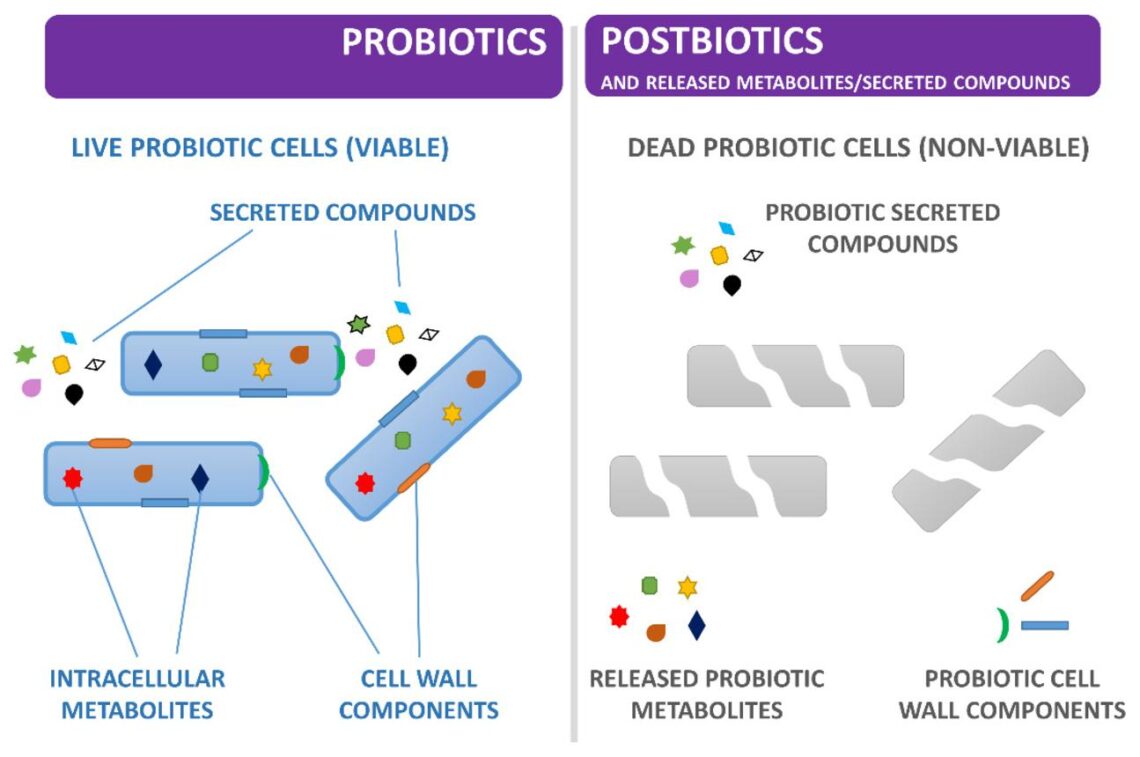
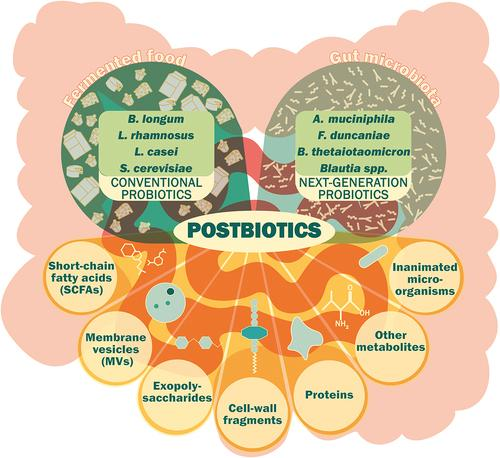
Two important concepts in microbiome science are probiotics and postbiotics. Probiotics are beneficial living microorganisms that can provide health benefits when consumed in adequate amounts. Postbiotics, on the other hand, are preparations of inanimate microorganisms and their components that provide health benefits to the host.
Although both are associated with gut health, they work differently. Probiotics introduce beneficial living microorganisms, whereas postbiotics deliver beneficial microbial preparations without requiring the microorganisms to remain alive.
This distinction has opened new possibilities for nutritional science, digestive health, immune function and the development of future microbiome-based therapies.
The central question is: Are living beneficial bacteria more important, or can their microbial products provide similar or even additional health benefits?
The answer depends on the microorganism, the preparation, the health outcome and the individual.
What Are Probiotics?
Probiotics are live microorganisms that provide health benefits when administered in adequate amounts. They are commonly called beneficial bacteria because certain strains can support the balance and functioning of the gut microbiome.
The human digestive system naturally contains a diverse microbial community. These microorganisms help break down food, interact with the immune system and contribute to the production of useful substances.
Probiotics may help support this microbial environment by introducing specific beneficial strains.
Common Types of Probiotic Microorganisms
Some commonly studied probiotic groups include:
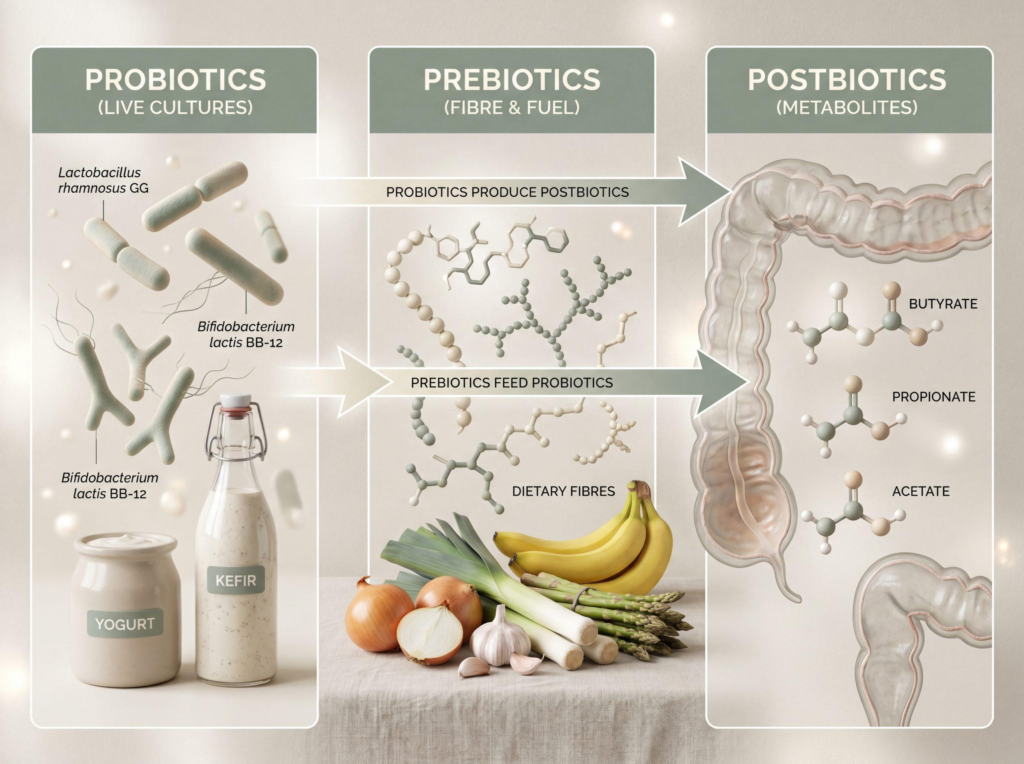
- Lactobacillus: Certain strains may support lactose digestion, intestinal function and the management of some types of diarrhoea.
- Bifidobacterium: These bacteria help process certain dietary carbohydrates and produce beneficial fermentation products.
- Saccharomyces boulardii: A beneficial yeast studied for its potential role in preventing or managing particular forms of diarrhoea.
- Streptococcus thermophilus: Used in fermented dairy products and associated with lactose fermentation.
- Lacticaseibacillus: A group of bacteria containing strains investigated for digestive and immune-related benefits.
Importantly, not every microorganism within these groups produces the same effects. Probiotic benefits are often strain-specific, meaning that one strain may have evidence for a particular condition while another may not.
How Do Probiotics Work?
Probiotics may influence gut health through several mechanisms.
Supporting microbial balance: Certain probiotic strains may compete with potentially harmful microorganisms for nutrients and attachment sites in the digestive tract.
Supporting digestion: Some strains produce enzymes or help break down food components that the human digestive system cannot easily process.
Producing beneficial substances: Probiotic bacteria can produce organic acids and other compounds that influence the intestinal environment.
Supporting intestinal barriers: Some strains may help maintain the protective intestinal lining and regulate interactions between intestinal cells and microorganisms.
Interacting with immunity: Probiotics can influence immune signalling and the activity of certain immune cells.
These effects are not universal. They depend on the strain, dose, duration of use and the individual’s existing microbiome.
Natural Sources of Probiotics
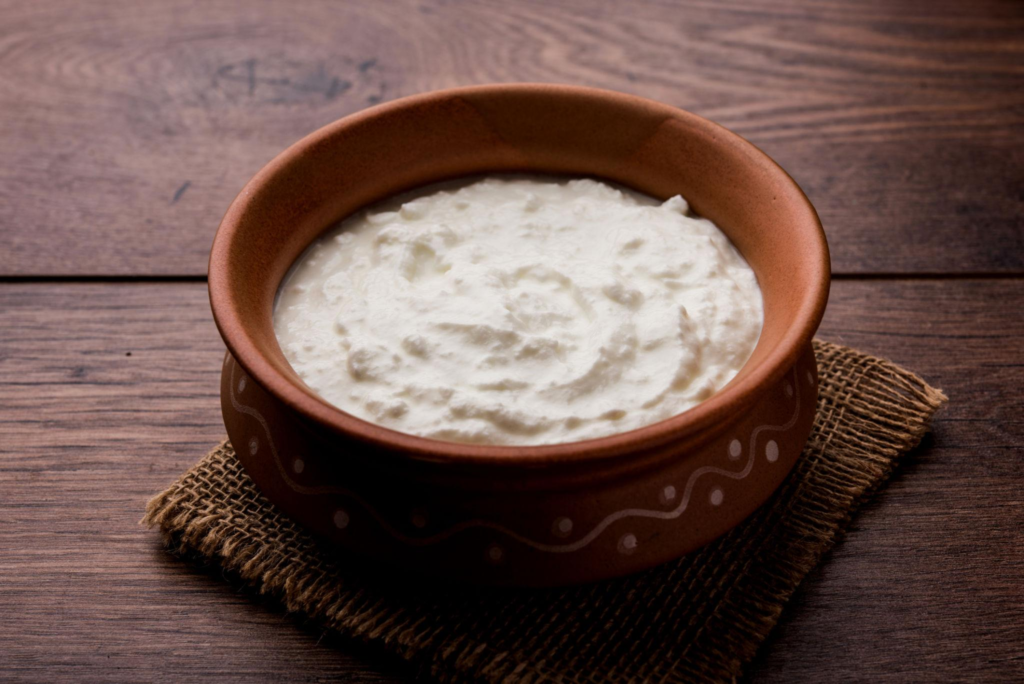
Some foods naturally contain live microorganisms:
- Plain curd (dahi)
- Yogurt containing live cultures
- Kefir
- Certain fermented vegetables
- Traditional fermented foods
For Indian diets, fresh homemade curd and fermented foods such as idli and dosa batter can be useful dietary additions. However, fermentation does not automatically make every food a clinically proven probiotic. The specific microorganisms and demonstrated health benefits matter.
What Are Postbiotics?
Postbiotics represent an emerging area of microbiome research.
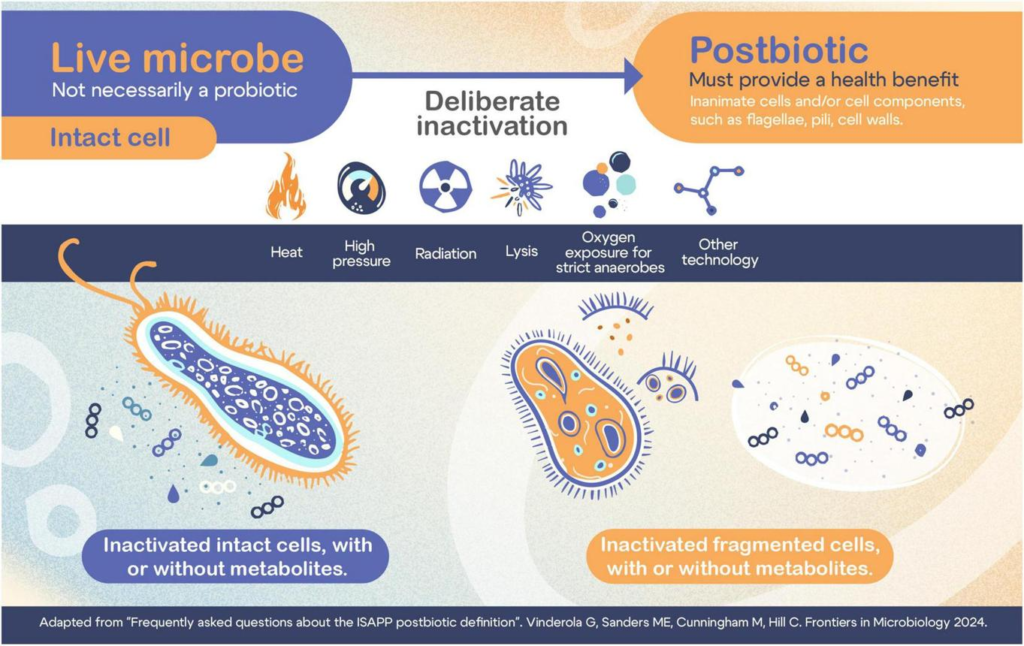
According to the International Scientific Association for Probiotics and Prebiotics (ISAPP), a postbiotic is a preparation of inanimate microorganisms and/or their components that provides a health benefit to the host. This definition was established through an international scientific consensus published in 2021. PubMed+1
In simple terms, postbiotics are preparations made from microorganisms that have been deliberately inactivated, or from their components, while retaining biological properties that may benefit the body.
Unlike probiotics, postbiotics do not need to contain living bacteria.
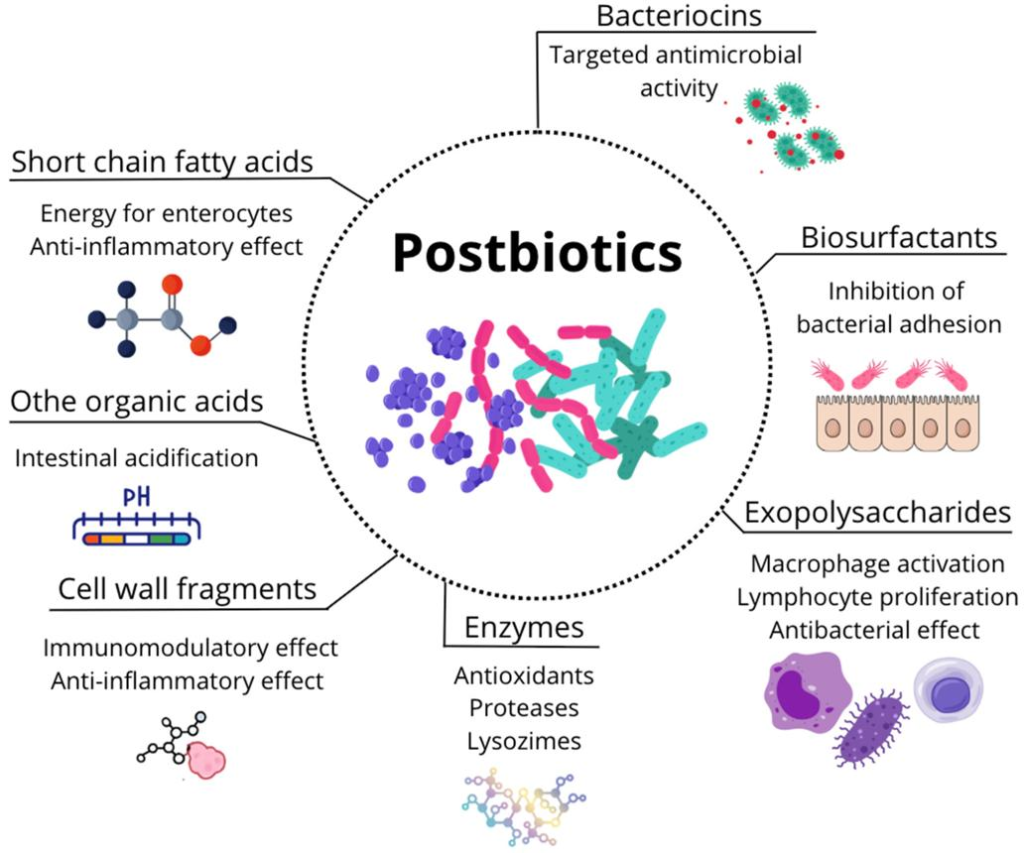
What Do Postbiotics Contain?
Postbiotic preparations may contain several microbial components:
Inactivated microbial cells: These are microorganisms that have been deliberately killed through controlled processes such as heat treatment.
Cell-wall components: Certain bacterial structures can interact with immune receptors and influence immune responses.
Microbial proteins and peptides: These molecules may participate in interactions between microorganisms and intestinal cells.
Cellular components: Other retained microbial structures may influence intestinal and immune functions.
Associated metabolic products: Some preparations retain metabolites produced during microbial growth, provided the preparation also contains the required inanimate microbial cells or components.
An important scientific distinction is that purified microbial metabolites alone are not classified as postbiotics under the ISAPP definition. For example, an isolated short-chain fatty acid is a microbial metabolite, not a postbiotic preparation. Nature Reviews Gastroenterology & Hepatology+1
How Are Postbiotics Produced?
Postbiotic production generally involves several controlled stages.
- Microbial selection: Scientists select microorganisms with properties worth investigating.
- Cultivation: The selected microorganisms are grown under controlled conditions.
- Inactivation: Heat or another validated process is used to eliminate microbial viability.
- Processing: The resulting preparation is processed to retain relevant microbial cells or components.
- Quality assessment: Researchers examine microbial identity, composition, safety and biological activity.
- Clinical evaluation: Human studies assess whether the preparation produces meaningful health benefits.
The processing method matters because different treatments can alter microbial structures and biological activity.
A killed microorganism is not automatically a proven postbiotic. Its preparation must meet the scientific definition and demonstrate a health benefit in the intended population.
Postbiotics vs Probiotics: Understanding the Main Differences
| Feature | Probiotics | Postbiotics |
|---|---|---|
| Composition | Live microorganisms | Inanimate microorganisms or their components |
| Viability | Must be alive when administered | Does not require living microorganisms |
| Main approach | Introduces specific live microbes | Provides preparations of inactivated microbes |
| Storage | Often sensitive to temperature and moisture | Some preparations may be more stable |
| Research | Established field of research | Emerging field of research |
| Health effects | Strain-specific | Preparation-specific |
| Safety | Requires consideration of the live strain and host | Requires consideration of the preparation and host |
Which is more important?
Neither category is universally superior. Probiotics may be useful when a particular live strain has demonstrated benefits. Postbiotics may offer advantages when microbial components can provide useful biological effects without requiring live microorganisms.
The choice should be based on clinical evidence rather than marketing claims.
How Do Postbiotics Support Gut Health?
Postbiotics are attracting attention because microbial components can interact with the human body even when the microorganisms are no longer alive.
Researchers are investigating several possible mechanisms.
Supporting the Intestinal Barrier
The intestinal barrier is a protective structure that separates the contents of the digestive tract from the body’s internal environment.
It consists of intestinal cells, mucus and specialised connections between neighbouring cells. This barrier helps regulate what enters the bloodstream and limits unwanted exposure to potentially harmful substances.
Certain postbiotic preparations may help support intestinal barrier function by influencing tight-junction proteins, mucus production and cellular signalling.
A stronger intestinal barrier may help maintain normal digestive and immune function. However, the effects depend on the specific preparation and evidence from human studies is still developing.
Regulating Immune Responses
The gut contains a large proportion of the body’s immune activity. Intestinal immune cells continuously interact with food components and microorganisms.
Postbiotic preparations may influence this interaction through microbial cell-wall structures and other biological components.
Potential effects include:
- Influencing immune-cell activity.
- Modulating inflammatory signalling.
- Supporting normal intestinal immune responses.
- Helping maintain communication between gut microorganisms and immune cells.
These mechanisms are scientifically interesting, but they should not be interpreted as proof that postbiotics prevent autoimmune diseases or treat chronic inflammatory conditions.
Influencing Gut Microbial Balance
Unlike probiotics, postbiotics do not introduce living microorganisms into the digestive system.
Instead, their components may influence the intestinal environment and the way existing microbes interact with the host.
Some preparations may also influence the growth or activity of resident microorganisms indirectly.
This is an important distinction: postbiotics are not necessarily designed to increase the number of beneficial bacteria in the gut.
Supporting Digestive Function
Researchers are investigating whether postbiotics can help improve digestive comfort, intestinal function and the body’s response to digestive disturbances.
Potential areas include bowel function, abdominal discomfort and intestinal barrier regulation.
However, evidence varies significantly between preparations. A benefit demonstrated by one specific postbiotic cannot automatically be applied to all products.
Important Microbial Products: What Happens When Gut Bacteria Produce Beneficial Substances?
One of the most interesting aspects of microbiome science is that microorganisms produce substances that influence human physiology.
These substances are commonly called microbial metabolites.
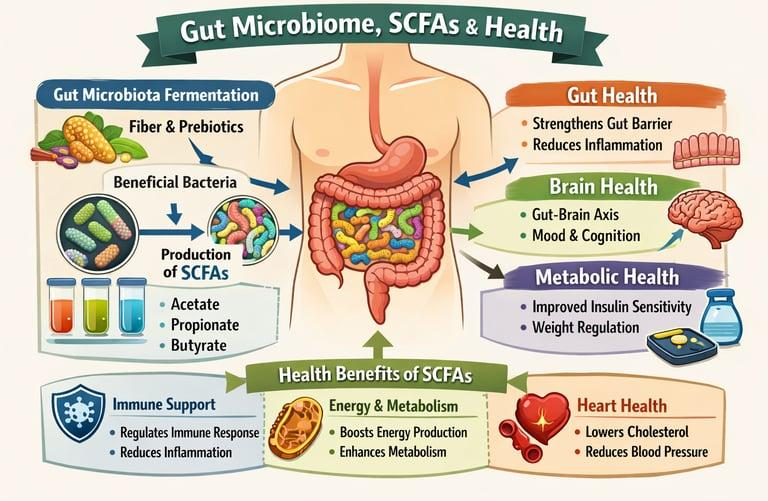
Some of the most important microbial products include the following.
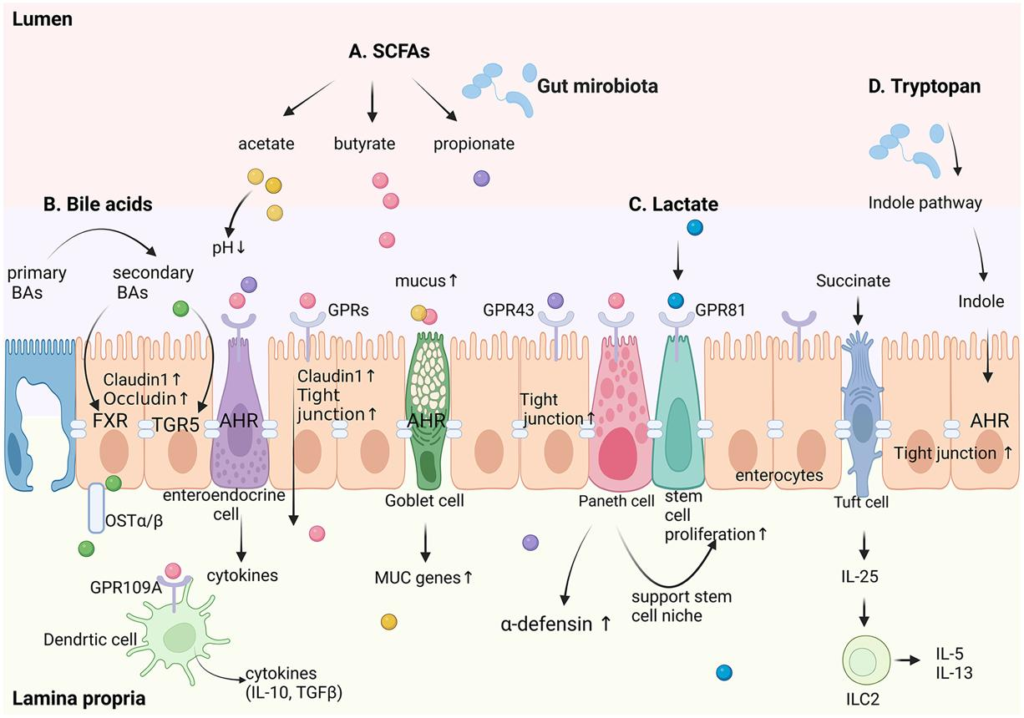
Short-Chain Fatty Acids (SCFAs)
Short-chain fatty acids are produced when gut microorganisms ferment dietary fibres and other carbohydrates.
The three major SCFAs are:
- Butyrate: An important energy source for colon cells that may help support intestinal barrier function.
- Acetate: The most abundant SCFA in many intestinal environments and involved in several metabolic processes.
- Propionate: A microbial fermentation product that participates in metabolic signalling and may influence glucose and lipid metabolism.
These compounds have attracted considerable attention because they connect dietary fibre intake with microbial activity and human health.
Butyrate, for example, is particularly important for the cells lining the colon.
It may also influence immune signalling and inflammatory pathways.
However, SCFAs are microbial metabolites rather than postbiotics under the strict ISAPP definition.
Bacteriocins
Bacteriocins are antimicrobial peptides produced by certain bacteria.
They may inhibit the growth of competing microorganisms, including some potentially harmful bacteria.
Scientists are investigating their potential applications in microbial ecology, food preservation and future approaches to controlling harmful microorganisms.
However, their effectiveness and safety depend on the specific bacteriocin and the environment in which it acts.
Vitamins Produced by Gut Microorganisms
Certain intestinal microorganisms can contribute to the production or modification of vitamins.
Examples include:
- Vitamin K compounds.
- Certain B-group vitamins, including folate and biotin.
- Other microbial products involved in nutrient metabolism.
The contribution of microbial vitamin production to human nutritional requirements varies, and it does not replace a balanced diet.
Bile Acid Metabolites
Gut bacteria can modify bile acids produced by the liver.
These modified bile acids participate in signalling pathways associated with digestion, cholesterol metabolism and glucose regulation.
Research into the relationship between microbial bile acid metabolism and metabolic health is an expanding area of investigation.
Possible Health Applications of Postbiotics
Postbiotics are being studied for several potential applications. However, the strength of evidence differs between health conditions.
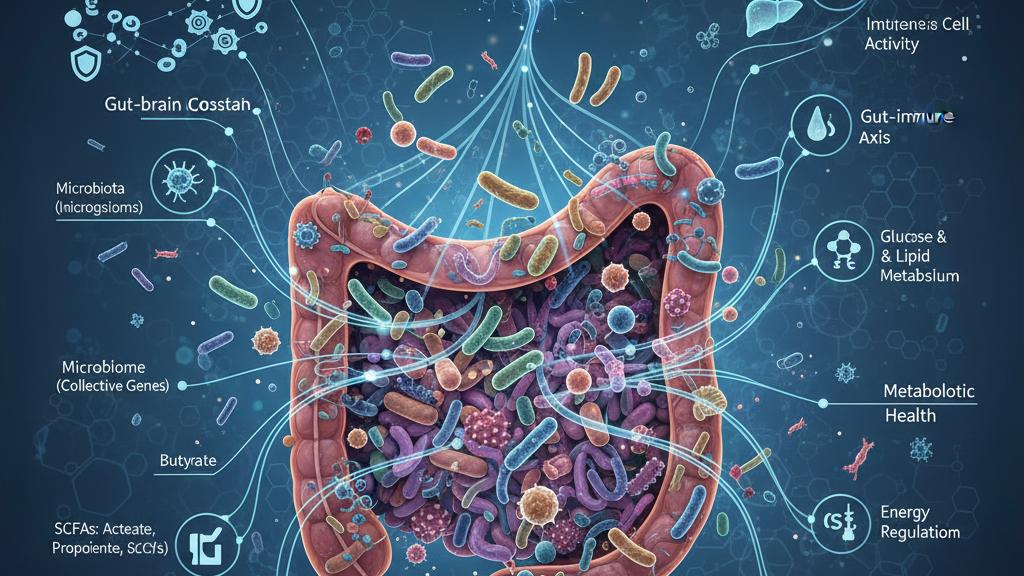
Digestive Health and Intestinal Function
One of the main areas of postbiotic research is gastrointestinal health.
Scientists are investigating whether certain inactivated microbial preparations can support intestinal barrier function, improve digestive comfort and influence bowel-related symptoms.
Potential applications include research into:
- Diarrhoea and digestive disturbances.
- Intestinal barrier dysfunction.
- Irritable bowel syndrome-related symptoms.
- Intestinal inflammation.
- Gastrointestinal microbial interactions.
It is important to distinguish promising experimental findings from established clinical treatments. Postbiotics are not currently interchangeable with proven treatments for gastrointestinal diseases.
Immune System Support
Postbiotics may interact with immune cells through microbial structures that the immune system recognises.
Some research suggests that particular preparations can influence immune signalling and responses to infections.
This has created interest in their potential use in nutritional products and immune-supporting formulations.
However, improving an immune marker does not necessarily mean that a person will experience fewer infections or better clinical outcomes.
More well-designed human trials are needed.
Metabolic Health and Blood Sugar Regulation
An emerging area of research examines whether postbiotics may influence metabolic health.
Microbial components can interact with biological pathways involved in glucose metabolism, insulin signalling, lipid regulation and inflammation.
A systematic review and meta-analysis of randomised controlled trials, published in 2025, examined postbiotic supplementation and metabolic outcomes in people with overweight or obesity.
The analysis reported reductions in some measurements, including serum insulin, triglycerides, waist circumference and C-reactive protein. However, it did not find statistically significant improvements across several other outcomes, including fasting blood glucose, HbA1c, body weight and BMI. PubMed
Research finding
This suggests potential metabolic benefits, but it does not establish postbiotics as a treatment for obesity, diabetes or cardiovascular disease.
Inflammation and Intestinal Health
Low-grade inflammation is associated with several chronic health conditions.
Researchers are examining how microbial preparations might influence inflammatory pathways and immune signalling.
Some postbiotic preparations have shown anti-inflammatory effects in laboratory and animal studies.
Human research has also investigated inflammatory biomarkers, including C-reactive protein.
However, reducing an inflammatory biomarker does not necessarily establish a reduction in disease risk. Larger and longer clinical studies are required.
Skin Health and the Gut–Skin Connection
The gut and skin communicate through immune, metabolic and inflammatory pathways.
Researchers are investigating whether changes in gut microbial activity can influence skin conditions and skin-barrier function.
Postbiotics are being explored in both oral and topical formulations.
Potential research applications include:
- Skin-barrier support.
- Skin hydration.
- Inflammatory skin responses.
- Atopic dermatitis-related symptoms.
The evidence is preparation-specific, and claims that postbiotics can cure acne, eczema or other skin diseases are not established.
Gut–Brain Communication
The gut and brain communicate through several interconnected pathways, including:
- The vagus nerve.
- Immune signalling.
- Hormonal pathways.
- Microbial metabolites.
This relationship is commonly known as the gut–brain axis.
Probiotics and postbiotics are both being investigated for their possible influence on this communication network.
Some microbial products may influence the availability of signalling molecules and the activity of immune pathways that communicate with the nervous system.
Researchers are interested in potential applications involving stress, mood, sleep and cognitive function.
Nevertheless, human evidence remains insufficient to recommend postbiotics as treatments for depression, anxiety or neurological disorders.
Can Postbiotics Be Better Than Probiotics?
The growing interest in postbiotics raises an important question: If beneficial microbial products can influence the body without living bacteria, why should people consume probiotics?
The answer is that both approaches offer different possibilities.
Advantages of Probiotics
Probiotics contain living microorganisms that may interact with the existing gut microbiome.
Their potential advantages include:
- Introducing specific beneficial microbial strains.
- Producing beneficial substances within the digestive environment.
- Interacting with resident microorganisms.
- Supporting certain digestive functions.
- Having a relatively established research history for particular clinical applications.
However, probiotic microorganisms must remain viable, and their effectiveness depends on the strain, formulation, dose and individual.
Advantages of Postbiotics
Postbiotics provide microbial components without requiring live bacteria.
Their potential advantages include:
- Reduced dependence on microbial viability.
- Potentially better stability in certain formulations.
- Easier incorporation into some food and nutritional products.
- Biological activity through microbial structures and components.
- Potential suitability for applications where administering live microorganisms is undesirable.
These advantages do not mean every postbiotic product is more effective or safer than a probiotic. Manufacturing quality, composition and clinical evidence remain essential.
What Does the Latest Scientific Research Tell Us?
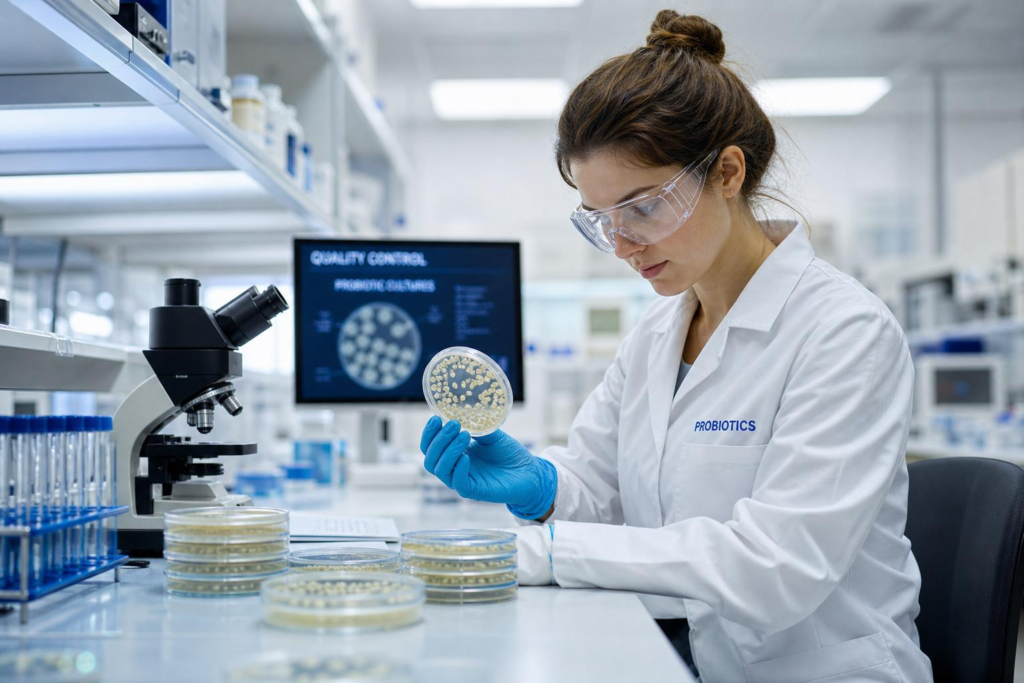
The scientific understanding of gut health is evolving beyond simply counting beneficial and harmful bacteria.
Researchers increasingly recognise that microbial function, interactions with intestinal cells and the substances produced by microorganisms are equally important.
A New Scientific Definition of Gut Health in 2026
An important development came on February 18, 2026, when the International Scientific Association for Probiotics and Prebiotics published a consensus statement on gut health in Nature Reviews Gastroenterology & Hepatology.
The expert panel proposed defining gut health in terms of normal gastrointestinal function without active gastrointestinal disease or gut-related symptoms that significantly affect quality of life.
The statement also emphasised that gut health should be assessed through both subjective experiences and objective measures of gastrointestinal function. Nature Reviews Gastroenterology & Hepatology
This development is important because it moves the discussion beyond the idea that a healthy gut simply means having more beneficial bacteria.
It highlights the importance of digestion, intestinal function, symptoms and overall well-being.
Postbiotics and Metabolic Health: Findings From 2025
The 2025 systematic review and meta-analysis of randomised controlled trials provides another interesting development.
Researchers examined different metabolic outcomes associated with postbiotic supplementation, including insulin, blood lipids, body measurements and inflammatory markers.
Although some outcomes improved, others did not show statistically significant changes.
This highlights an important principle in nutrition research: a promising biological effect does not automatically translate into broad health benefits.
Future research must identify which preparations work, at what doses and for which populations. PubMed
Why Researchers Are Studying Non-Living Microorganisms
The postbiotic concept also challenges the assumption that microorganisms must be alive to provide health benefits.
Microbial cell structures can interact with the host even after inactivation.
This provides scientists with opportunities to investigate more controlled microbial preparations and understand which biological components produce specific effects.
However, the ISAPP consensus makes an important point: a postbiotic must demonstrate a health benefit in its intended host. Simply killing bacteria does not create a clinically effective product. Nature Reviews Gastroenterology & Hepatology+1
How Can You Support Your Gut Microbiome Through Everyday Food?
You do not necessarily need expensive probiotic or postbiotic supplements to support digestive health.
A varied diet containing adequate fibre, plant foods and fermented foods can help create a favourable environment for the gut microbiome.

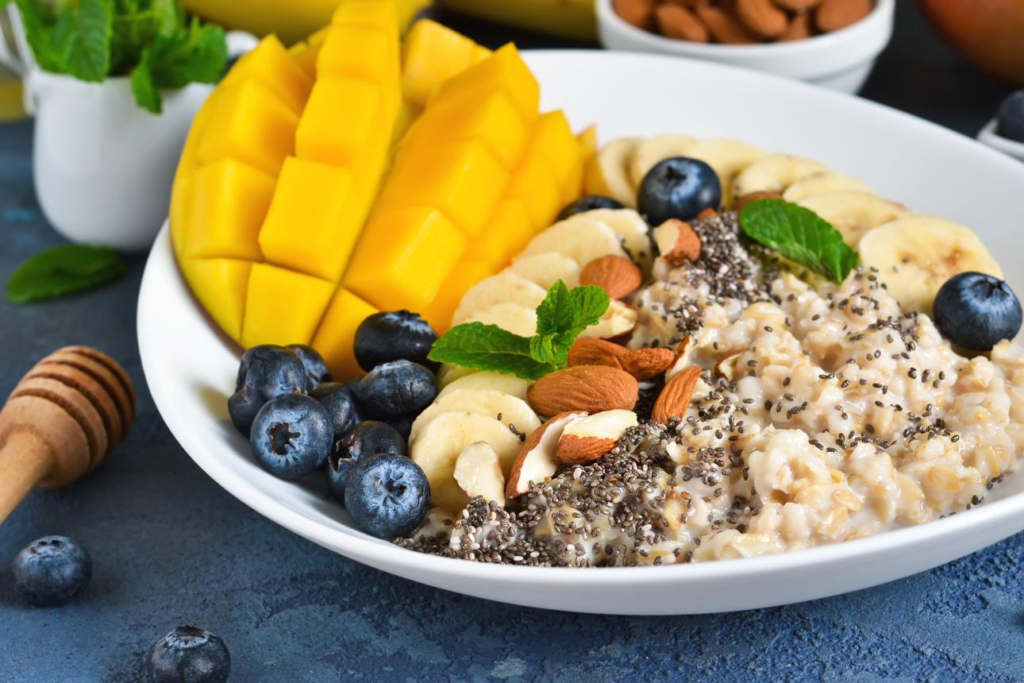
Eat More Fibre-Rich Foods
Dietary fibre provides nourishment for many beneficial gut microorganisms.
Good food choices include:
- Oats and whole wheat.
- Lentils and chickpeas.
- Beans and peas.
- Fruits such as bananas, apples and guavas.
- Vegetables such as carrots, spinach and broccoli.
- Nuts and seeds.
Certain fibres are fermented by gut bacteria, resulting in the production of short-chain fatty acids.
Include Fermented Foods
Fermented foods can introduce live microorganisms, depending on the preparation and storage method.
Examples include:
- Homemade curd.
- Yogurt with live cultures.
- Idli and dosa.
- Traditional fermented vegetables.
Not every fermented food contains clinically established probiotic strains, but fermented foods can contribute to dietary variety.
Include Prebiotic Foods
Prebiotics are substrates selectively used by host microorganisms that provide a health benefit.
Some useful food sources include:
- Onion and garlic.
- Chicory root.
- Asparagus.
- Oats.
- Legumes.
- Slightly unripe bananas.
Prebiotics and probiotics are different, but they can work together as part of a balanced dietary approach.
Eat a Variety of Plant Foods
Different microorganisms use different dietary substrates.
Consuming a variety of plant foods provides different fibres and other compounds that support microbial activity.
Instead of focusing on a single superfood, aim for variety across fruits, vegetables, legumes, whole grains, nuts and seeds.
Limit Excessively Processed Foods
Diets high in ultra-processed foods and low in fibre may provide fewer beneficial substrates for gut microorganisms.
Reducing excessive intake of sugary drinks, highly refined snacks and heavily processed foods can help improve overall dietary quality.
This does not mean every processed food is harmful. The overall dietary pattern matters more than a single food.
Are Postbiotic Supplements Safe?
Postbiotics may offer some practical advantages because they do not contain living microorganisms. However, this does not automatically make every product safe for every person.
Safety depends on several factors:
- The identity of the original microorganism.
- The inactivation process.
- The composition of the preparation.
- The intended dose and duration.
- The individual’s health status.
- The quality and purity of the final product.
People with chronic illnesses, significant immune-system problems or complex gastrointestinal conditions should discuss supplements with a qualified healthcare professional before using them.
It is also important to avoid products that promise to cure digestive diseases, reverse inflammation or guarantee weight loss.
Postbiotics are not a replacement for prescribed medication, medical diagnosis or appropriate dietary treatment.
Limitations and Challenges in Postbiotic Research
Despite growing scientific interest, postbiotics remain an emerging area of research.
Several challenges need to be addressed before their broader use can be recommended.
Lack of standardisation: Different postbiotic products may contain different microorganisms, cellular components and processing methods. This makes comparisons between studies difficult.
Limited long-term human studies: Many studies are relatively short, and more research is needed to understand long-term effectiveness and safety.
Differences in individual responses: Age, diet, existing gut microbiome composition, health conditions and lifestyle may influence how individuals respond.
Uncertain optimal dosage: There is no universal postbiotic dosage because different preparations have different compositions and biological properties.
Commercial claims: Some products use the term postbiotic without providing sufficient scientific evidence. Consumers should look for transparent ingredient information and clinical research.
These limitations highlight why more large-scale, well-designed human clinical trials are necessary.
The Future of Microbiome-Based Healthcare
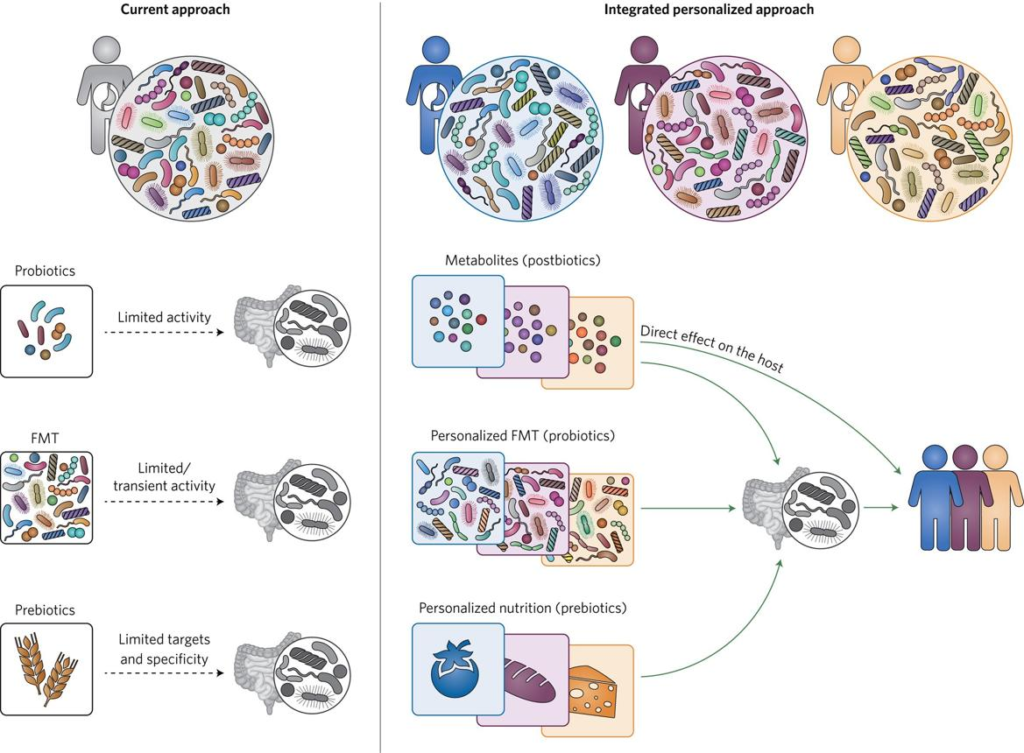
The future of gut health research may increasingly involve personalised approaches that consider an individual’s microbiome, diet, lifestyle and health requirements.
Scientists are investigating several promising directions.
Personalised Probiotic and Postbiotic Formulations
Instead of recommending the same supplement to everyone, future approaches may identify specific microbial preparations according to individual needs.
Precision Nutrition
Microbiome research may help explain why different individuals respond differently to the same foods.
Researchers are exploring how dietary fibre, microbial metabolites and microbial composition influence metabolic responses.
Functional Foods
Postbiotic ingredients may become more common in specially developed nutritional products, fermented foods and functional food formulations.
Microbiome-Based Disease Research
Scientists are investigating relationships between microbial products and conditions involving digestion, inflammation, metabolism and immune function.
Although these developments are promising, microbiome-based interventions still require strong clinical evidence before becoming routine medical treatments.
Conclusion: Postbiotics or Probiotics—Which Should You Choose?
Probiotics and postbiotics represent two important approaches to understanding how microorganisms influence human health.
Probiotics introduce beneficial living microorganisms that may support the gut microbiome, digestion and immune interactions. Postbiotics provide preparations of inactivated microorganisms or their components that may influence intestinal barriers, immune signalling and metabolic processes.
Neither is universally more important.
Probiotics have a longer history of research and established evidence for certain strain-specific applications. Postbiotics offer an interesting alternative because their biological effects do not depend on living microorganisms.
Emerging research suggests that postbiotics may have applications in digestive health, immune regulation, inflammation and metabolic health. However, further human clinical trials are needed to establish their effectiveness and long-term benefits.
For everyday gut health, a fibre-rich, varied diet containing fruits, vegetables, legumes, whole grains and appropriate fermented foods remains a sensible foundation.
Ultimately, the future of gut health may not depend on choosing probiotics over postbiotics. It may involve understanding how living microorganisms, their components and the substances they produce work together to support human health.
Frequently Asked Questions (FAQs)
1. Are postbiotics better than probiotics?
Not necessarily. Both have different mechanisms of action. Their effectiveness depends on the specific preparation and the health condition being investigated.
2. Do postbiotics contain live bacteria?
No. Under the ISAPP definition, postbiotics contain inanimate microorganisms or their components that provide demonstrated health benefits.
3. Can postbiotics improve digestion?
Certain postbiotic preparations are being studied for digestive function, intestinal barrier support and gastrointestinal symptoms. More clinical evidence is needed.
4. Is curd a probiotic or postbiotic?
Fresh curd containing live beneficial cultures may provide probiotic microorganisms. It is not automatically a postbiotic.
5. Are short-chain fatty acids postbiotics?
No. Butyrate, acetate and propionate are microbial metabolites. Purified metabolites alone do not meet the ISAPP definition of postbiotics.
6. Can postbiotics help with inflammation?
Some preparations have demonstrated effects on inflammatory markers in research. However, their ability to prevent or treat inflammatory diseases has not been established.
7. Can vegetarians obtain probiotic foods naturally?
Yes. Homemade curd, live-culture yogurt and certain fermented foods can be incorporated into vegetarian diets.
8. Do healthy people need postbiotic supplements?
Generally, there is no established need for healthy individuals to take postbiotic supplements routinely. A balanced diet is a sensible starting point.